Stop the Leaks: Step-by-Step Guide to Vetting Local Roofers
Deciding Between Roof Repair and Full Replacement
To find and vet a reliable local roofer, start by searching local directories and community recommendations, then verify state licensing and request insurance certificates directly from the carrier, and finally screen for storm-chaser red flags like unsolicited door-to-door offers or demands for full cash payment upfront. Once you have a shortlist, deciding whether to repair or replace your roof comes down to three main factors: the age of your roofing system, the physical extent of the damage, and the overall cost balance.
A roof that is relatively new—typically under 10 to 15 years old—and suffering from isolated damage usually only needs a targeted fix. For example, if a localized wind gust ripped away a few shingles around your chimney, or a small tree branch punctured an isolated area, a professional repair can restore water-tight integrity without requiring an entire replacement. If you are leaning toward this route, checking out a hiring right roof repair contractor guide will help you find a technician who diagnoses the root cause rather than slapping on a temporary patch.
On the other hand, full roof replacements become the smarter financial decision when:
- The roof is over 20 years old and nearing the end of its manufacturer-rated lifespan.
- More than 30% of the entire roof surface exhibits substantial wear, curling, or storm damage.
- You are experiencing recurring leaks in multiple distinct rooms, suggesting that the underlying decking or underlayment has deteriorated.
- The estimated cost of repairs exceeds 30% to 50% of what a brand-new installation would cost. In roofing, sinking thousands of dollars into an aging structure that will fail next season is simply throwing good money away.
| Roofing Material | Expected Lifespan | Average Residential Replacement Cost | Best Suited For |
|---|---|---|---|
| 3-Tab Asphalt Shingles | 15–20 Years | $4,000 – $9,000 | Budget-friendly residential updates |
| Architectural Shingles | 25–30 Years | $5,000 – $15,000 | Standard homes seeking enhanced wind & hail defense |
| Standing-Seam Metal | 40–70 Years | $8,000 – $20,000+ | Long-term durability, weather resistance & efficiency |
| Natural Slate or Clay Tile | 50–100+ Years | $20,000 – $40,000+ | Historic properties & heavy structural load profiles |
Evaluating Material Lifespans and Costs
Every roofing material offers distinct protective qualities, price points, and long-term value. Asphalt shingles remain the dominant residential standard across our communities because they offer an attractive balance of initial affordability and proven reliability. Standard 3-tab shingles perform well for 15 to 20 years, whereas modern architectural shingles—which are thicker and feature multi-dimensional laminates—routinely last 25 to 30 years while handling harsher wind gusts.
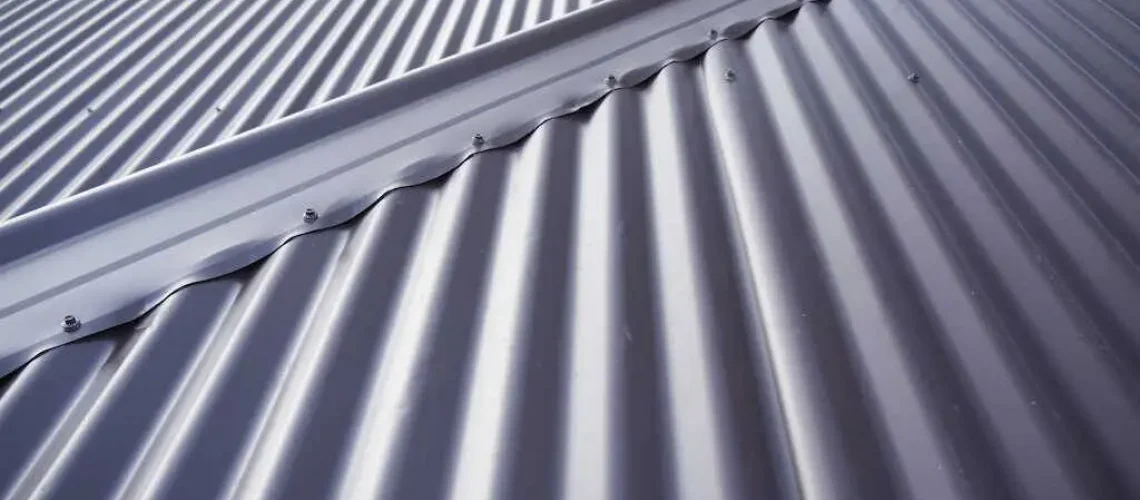
If you are looking for exceptional longevity, standing-seam metal roofing has rapidly gained traction. Although metal installations demand higher upfront investments—typically ranging from $8,000 to over $20,000—they easily last between 40 and 70 years. Metal roofing reflects solar radiant heat, dramatically reduces summer cooling loads, and shrugs off heavy wind and falling branches. Premium slate and ceramic tile options can endure for upwards of a century, though their immense structural weight requires specialized framing and skilled craftspeople.
Navigating Insurance Claims for Roof Damage
Sudden, violent weather events—such as microbursts, wind storms, or heavy hail—frequently cause roof damage covered by homeowner’s insurance policies. Homeowner policies routinely cover unexpected natural perils, but they explicitly exclude normal wear and tear, deferred maintenance, or aging materials that simply deteriorated over decades.
If severe weather impacts your home in towns like Effingham, Altamont, or Vandalia, here is the roadmap to handle your claim responsibly:
- Document Everything: Take date-stamped photos and videos of exterior damage, downed branches, dented gutters, and any interior water leaks.
- Schedule an Initial Professional Inspection: Have a trusted local roofer inspect your roof surface and attic to confirm whether the damage warrants a legitimate claim before calling your carrier.
- Notify Your Insurance Carrier: File the claim and request a site visit from an insurance adjuster.
- Coordinate the Adjuster Meeting: Have your chosen contractor on-site when the adjuster arrives so both parties can review the scope of work together.
- Comply with Deductible Laws: Pay your required policy deductible directly to the contractor once work begins. Any contractor offering to “waive,” “absorb,” or pay your deductible is asking you to participate in insurance fraud.
Step-by-Step Process to Find a Roofer in Your Area
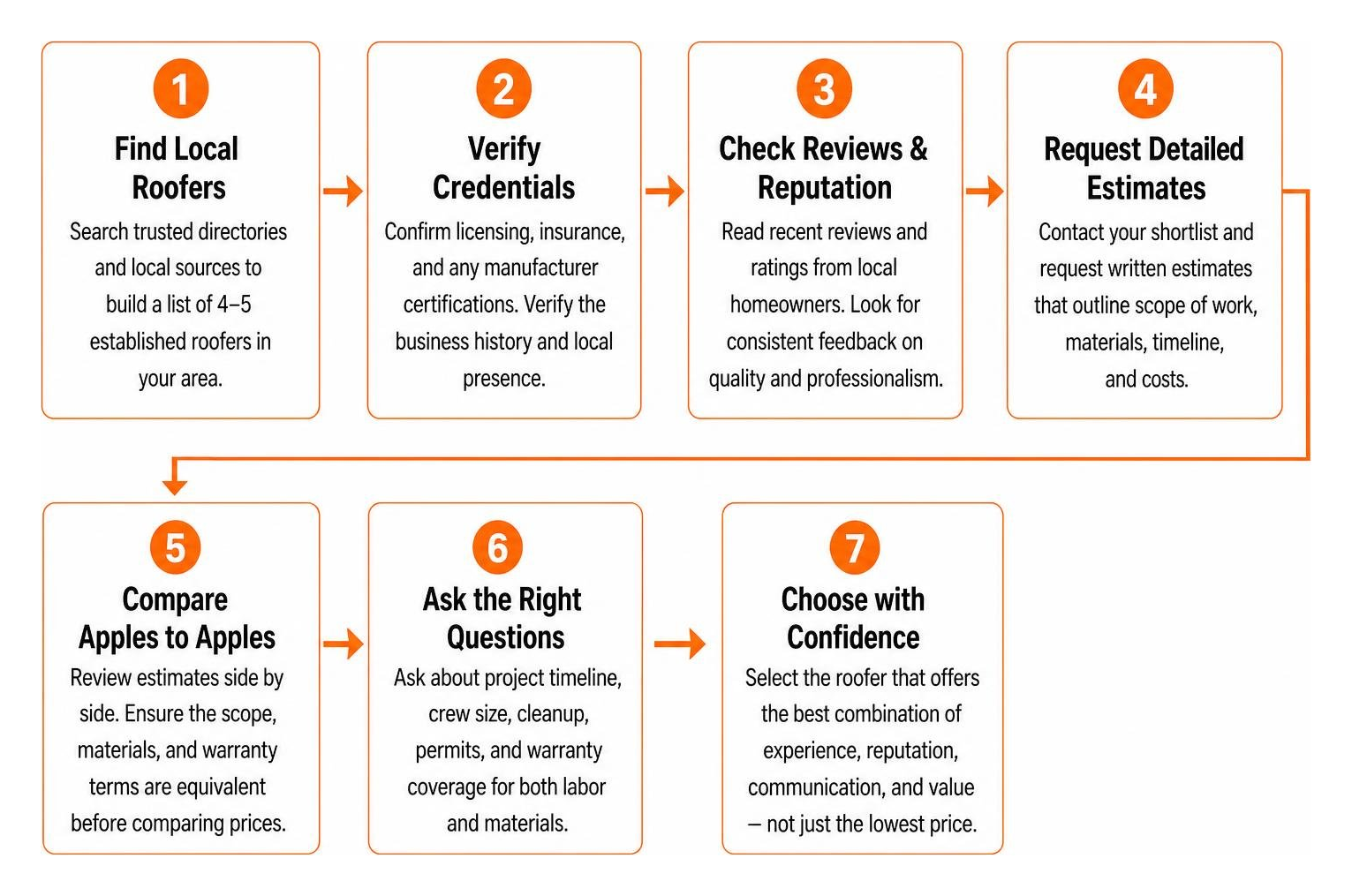
Finding a dependable contractor should never feel like a gamble. When water is intruding into your home, panic can drive homeowners to hire the first person who answers the phone. Taking a structured approach protects your property and your wallet. Reviewing 7 reasons to hire a roofing company near me can help you appreciate why local community standing is so crucial for long-term project success.
Where to Search and Find a Roofer Online
Start your search by curating a list of four to five established businesses that actively serve your specific municipality. Modern digital directories allow you to verify operating history and business standing without getting caught in lead-generation funnels that sell your private phone number to dozens of telemarketers.
You can begin your research through specialized independent portals such as Find Trusted Local Roofers | Get Free Estimates Today and Find Roofing Contractors Near You | Find the Right Roofer . For broader localized trade searches, exploring platforms like RoofersSearch – Find Roofers Near You , Find Trusted Roofing Contractors Near You | Find Roofing Pros , and Roofing Companies Near Me — Find Top Local Pros Nationwide | ZeroFi can help you confirm geographical coverage. If you are located around Altamont, cross-referencing directories like Best Roofers in Altamont, IL | GAF Roofing Contractors gives you direct access to certified regional installers.
As you assemble names, dive into third-party reviews. Examine feedback on Google Business Profiles and the Better Business Bureau (BBB), and spend time roofing contractor reviews analyzing how companies handle unexpected project challenges. A five-star rating with zero written feedback is far less informative than a detailed review describing how a crew kept a worksite tidy, protected the landscaping, and finished on time.
Verifying Licensing, Insurance, and Credentials
Never compromise on licensing, safety compliance, and insurance coverage. Roofing is inherently high-risk; if an uninsured worker is injured on your property, you could be held liable for their medical expenses and lost wages.
Before allowing any crew onto your roof, request physical certificates of coverage sent directly from the contractor’s insurance carrier. Make sure to consult our guide on 8 tips for hiring a roofing contractor in Illinois to ensure you are fully protected.
How to Vet Contractors and Avoid Roofing Scams
The roofing industry has earned a mixed reputation largely due to fly-by-night operators who show up right after severe weather. Knowing how to separate true professionals from aggressive sales operations protects your family from substandard work, invalidated material warranties, and financial loss.
Spotting Storm Chasers and Door-to-Door Red Flags
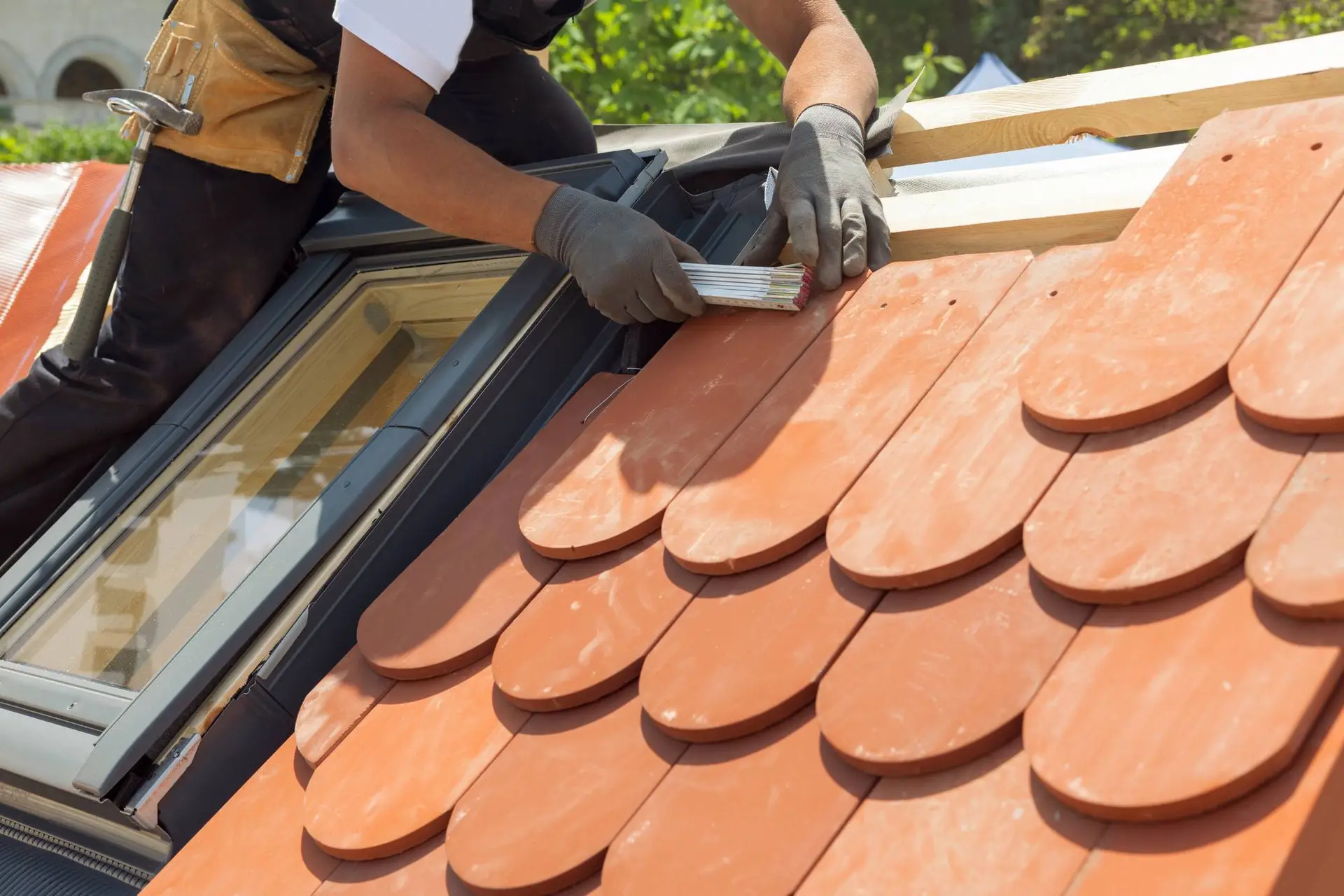
Following high-wind or severe hail events, neighborhoods are often visited by out-of-town door-to-door solicitors commonly called “storm chasers.” These operators monitor regional weather radar, roll into affected towns with magnetic signs on rental trucks, and use aggressive scare tactics to secure quick insurance payouts.
Look out for these common warning signs:
- Unsolicited Knocking with High Pressure: The salesperson claims they “just finished a neighbor’s roof” and have leftover shingles, but demands you sign an exclusive representation agreement on the spot.
- The “Free Roof” Deductible Scheme: They promise to inflate the estimate or provide false advertising rebates to cover your insurance deductible. This practice is illegal and leaves you vulnerable to insurance fraud charges.
- Out-of-State License Plates: Their trucks carry license plates from three states away, and they lack a permanent, verifiable physical address in our regional service area.
- Demanding Full Cash Payment Upfront: Reputable contractors never ask for 100% of the project cost before delivering materials or beginning work. Reliable businesses use clear payment milestones tied directly to material delivery and verified construction progress.
Essential Questions to Ask Before You Find a Roofer for the Job
Before signing any agreement, conduct a direct interview with the contractor or their project estimator. Reviewing our list of 10 questions to ask a residential roofing contractor gives you the confidence to lead this conversation.
Make sure you get clear, definitive answers to these critical questions:
- “Who will be supervising the work on-site every day?” Reliable contractors maintain dedicated, trained project managers on-site to enforce safety standards, check flashings, and ensure proper underlayment installation.
- “Will you tear off the old roof completely down to the decking?” Installing new shingles directly over old, curled shingles traps heat, adds unnecessary weight, and hides rotted wood decking that must be replaced.
- “What specific workmanship warranty do you provide beyond the manufacturer’s material warranty?” A 30-year shingle warranty from a manufacturer covers defective materials, but it will not cover interior water damage caused by improper flashing or nail placement. Ensure your contractor backs their own labor with a comprehensive workmanship guarantee.
- “Will you pull all required local building permits?” A contractor who asks the homeowner to pull permits is often trying to dodge local licensing requirements, inspections, or contractor accountability.
Frequently Asked Questions About Hiring a Roofer
How much does a roof replacement typically cost in 2026?
In 2026, the average cost to replace a standard residential roof in the United States ranges between $5,000 and $15,000. Total pricing depends on several specific project variables:
- Total Square Footage & Complexity: Roofing is calculated in “squares” (100 square feet). A simple ranch home with a low-slope roof costs considerably less than a multi-story home featuring steep pitches, dormers, valleys, and intersecting gables.
- Selected Material: Standard 3-tab asphalt shingles run roughly $4,000 to $9,000, architectural shingle installations fall between $5,000 and $15,000, and durable standing-seam metal roofs range from $8,000 to over $20,000.
- Decking Condition: If water intrusion has rotted the plywood or oriented strand board (OSB) decking beneath the old shingles, replacing those structural sheets adds modest material and labor costs.
- Tear-off & Disposal: Removing multiple layers of old roofing requires dedicated roll-off dumpsters, careful cleanup, and local landfill fees.
How long does a standard roof replacement take?
A typical residential roof replacement takes between 1 and 3 days. For a standard single-family home using architectural shingles, an experienced crew can frequently finish the tear-off, underlayment installation, shingling, flashing, and magnetic sweep cleanup in a single extended workday.
More complex architectural designs, steep roof pitches, extensive carpentry repairs, or alternative materials like standing-seam metal and tile generally extend the project timeline to 3 to 5 business days. Inclement weather—such as morning rain or high winds—can also temporarily pause operations to protect crew safety and prevent water from getting into an exposed attic.
Can a roofing contractor legally cover my insurance deductible?
No. A roofing contractor cannot legally cover, waive, rebate, or absorb your insurance deductible. Your homeowner’s insurance policy is a legally binding contract between you and your insurer, requiring you to pay your agreed-upon deductible before coverage applies.
Contractors who offer to pay your deductible often submit inflated invoices to the insurance company while installing lower-grade materials on your home to recoup their costs. Engaging in these deductible-rebate schemes puts the homeowner at legal risk for insurance fraud. Always work with an honest contractor who provides clear, transparent pricing and respects state consumer protection laws.
Conclusion
Your roof is your home’s primary defense against rain, snow, hail, and extreme temperatures. While searching for a contractor can feel overwhelming after finding a leak or surviving a severe storm, following a structured vetting process ensures your property gets the high-quality protection it deserves. Take the time to verify state credentials, demand proof of comprehensive insurance, evaluate written estimates, and ask pointed questions about project supervision and warranties.
At Mid-State Construction & Roofing, Inc., based right in Effingham, IL, we take immense pride in protecting our neighboring communities—including Beecher City, Shelbyville, Altamont, Vandalia, Ramsey, Salem, Hillsboro, and Litchfield. Our commitment to industry-leading training, rigorous quality assurance, and active on-site supervision ensures your roof is built to last, with zero shortcuts.
When you are ready to protect your home with skilled workmanship and honest, local service, schedule a trusted local roofing consultation with our experienced team. We will inspect your roof, explain your options clearly, and deliver lasting peace of mind.