
Give Your Roof a Second Life with the Best Paint for Roof Tiles
Choosing the Best Paint for Roof Tiles: Formulations, Benefits, and Comparisons
The best paint for roof tiles is a water-based 100% acrylic or flexible acrylic elastomeric coating, especially for porous concrete and clay tiles. These formulations bond strongly to mineral surfaces, expand and contract with thermal movement, and remain vapor-permeable so trapped moisture can escape. Investing in a dedicated roof coating does far more than give your house an attractive facelift. Over years of direct sun, torrential rain, and winter frost, untreated tiles lose their original surface glaze. As concrete and clay surfaces turn porous, they absorb rainwater, promote heavy moss growth, and suffer surface erosion that washes sand right down into your gutters.
Applying a specialized tile coating provides vital surface preservation, shielding the underlying structure from destructive UV degradation and continuous weathering. High-grade formulas can also deliver significant thermal benefits. Certain reflective roof coatings achieve up to 88% solar reflectivity, noticeably cutting down air conditioning costs during sweltering summer months while extending the overall service life of the roof.
To get the most out of your investment, it helps to understand what roof tiles to choose and how material maintenance affects long-term cost. Matching the right coating formulation to your specific roof profile prevents costly bonding failures down the line.
Why Paint Your Roof: Key Benefits and Substrate Compatibility
A quality roof paint creates a seamless, protective barrier that repels wind-driven rain while remaining vapor-permeable. This breathability is crucial: it allows internal household moisture to escape safely rather than trapping dampness inside the substrate, which can rot roof battens or cause coating delamination. Additionally, modern formulations bind loose, friable mineral surfaces, stabilizing older tiles and discouraging moss, lichen, and algae from taking root.
Before opening a single can of paint, you must verify your tile material:
- Porous Concrete Tiles: The prime candidate for painting. Porous concrete readily absorbs high-bond acrylic resins, creating a tough, integrated protective shell.
- Clay Tiles: Standard clay tiles accept specialist acrylics well, but dense, glazed varieties or delicate rosemary clay tiles should generally not be coated due to poor adhesion properties.
- Fiber Cement & Artificial Slate: Porous composite materials bond effectively with breathable acrylic coatings once cleaned and stabilized.
- Incompatible Substrates: Avoid using standard tile paints on plastic tiles, sound glazed ceramics, or unprimed non-porous synthetics.
When planning larger exterior renovations, reviewing reliable home improvement insights can help you coordinate roof restoration with your overall home maintenance schedule.
Comparing Coating Types: Which Best Paint for Roof Tiles Fits Your Climate?
Roof tiles endure intense thermal cycling. On an average summer day, roof surface temperatures can swing drastically within hours, forcing tiles to expand and contract. If you apply a standard, rigid exterior wall paint to your roof, it will crack and flake within months.
Finding the best paint for roof tiles requires choosing a chemical formulation engineered specifically for roof movement and climate exposure.
| Coating Chemistry | Key Characteristics | Elongation & Flexibility | Breathability | Best Use Case |
|---|---|---|---|---|
| Water-Based 100% Acrylic | High UV stability, color retention, cost-effective | Moderate to High | Excellent (Vapor Permeable) | Standard pitched residential concrete & clay roofs |
| Acrylic Elastomeric | Fills hairline cracks, expands with temperature shifts | Superior (100%+ Elongation) | Good | Roofs in regions with wide freeze-thaw cycles |
| Silicone-Based | Exceptional ponding water and moisture resistance | High | Low to Moderate | Flat roofs or very low-slope tiled sections |
| Polyurethane / Epoxy-Hybrid | Extreme tensile strength and abrasion resistance | Moderate | Low | Heavy-duty commercial roofing and parapets |
Specialist water-based acrylics and acrylic elastomerics remain the industry standard for residential sloped roofs. Formulas like Everest Trade – PremFlex Ultimate Roof Tile Paint & Sealer incorporate high-bond polymers that expand dynamically with thermal shifts, preventing splits while maintaining high moisture-vapor breathability.
Top Performance Factors to Look for in the Best Paint for Roof Tiles
When evaluating technical data sheets from premium manufacturers, focus on these critical performance metrics:
- Tensile Strength & Elongation: Heavy-duty coatings like Armor Garage Armor Roof Shield and Lexis Energy Guard provide tensile strengths reaching 1,000 psi, while elastomeric chemistries offer over 100% elongation to bridge micro-cracks without rupturing.
- Dry Film Thickness (DFT): High-build industrial coatings provide robust protection, often curing between 20 to 22 mils (such as Gaco GR 1600 or Armor Roof Shield), whereas lighter self-priming acrylic topcoats form durable films at around 50 microns per coat.
- Resin Quality & UV Stability: Look for 100% pure acrylic or aliphatic resin bases. These resist chalking, yellowing, and bleaching under harsh sunlight.
- Integrated Biocides: Formulations incorporating active moss, lichen, and mold inhibitors will keep your roof free of biological growth far longer than basic exterior paints.
Before embarking on a resurfacing project, evaluate your roof structure thoroughly by learning how to choose the best roofing material for your home.
Application Guide, Lifespan, and Maintenance for Painted Roofs
A flawless roof coating job comes down to rigorous surface preparation. Even the most advanced elastomeric coating will fail prematurely if applied over dirt, biological growth, or crumbling mortar.
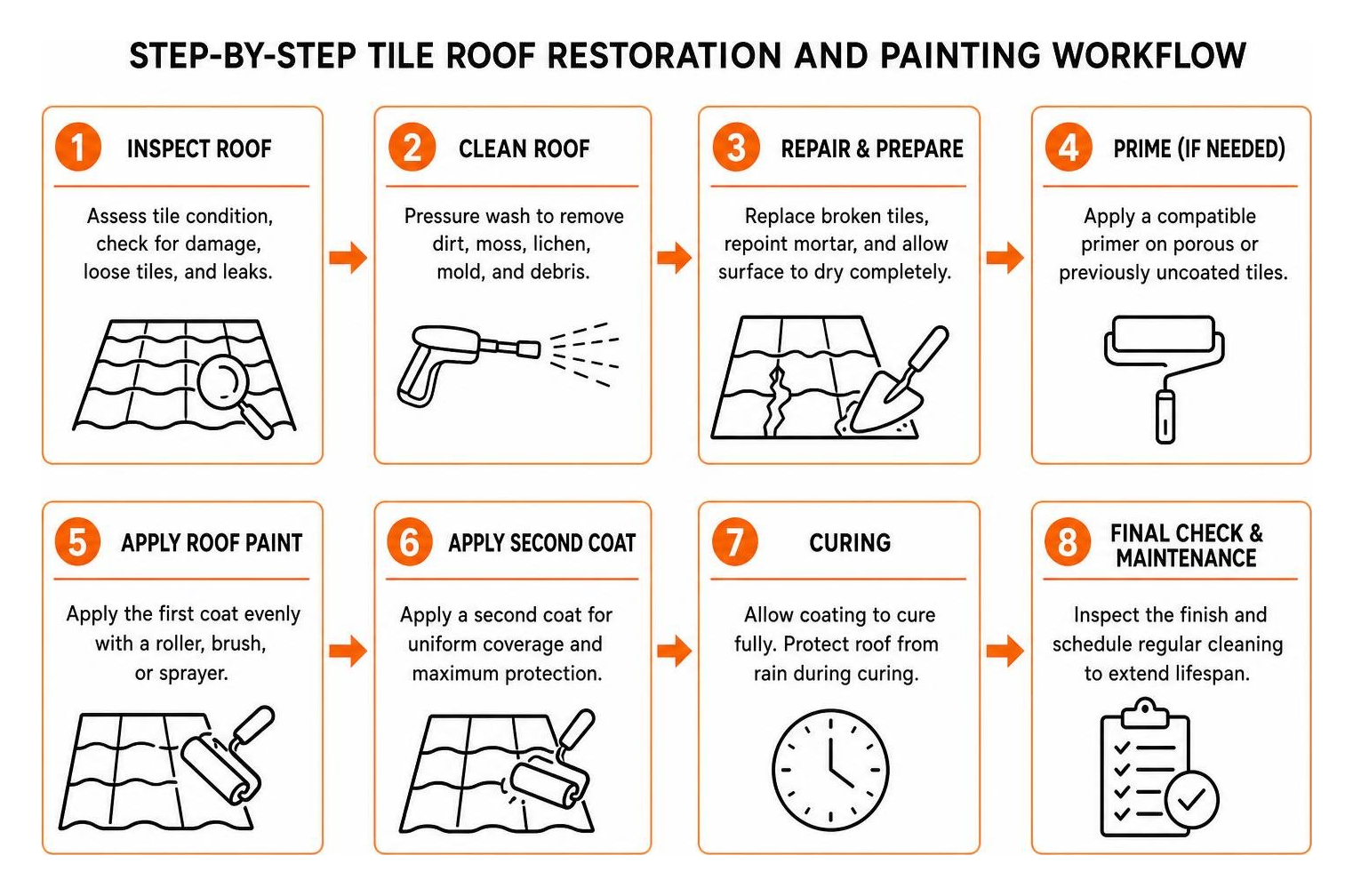
Step-by-Step Roof Tile Preparation and Paint Application Process
At Mid-State Construction & Roofing, Inc., our project supervision and quality assurance protocols emphasize strict adherence to correct preparation and application sequencing:
- Safety & Initial Inspection: Set up secure ladders, scaffolding, and harness anchor points. Inspect the entire roof for fractured, chipped, or displaced tiles.
- Biocidal Wash Treatment: Treat all lichen, moss, and fungal colonies with a dedicated fungicidal wash to kill deep root systems within the tile pores.
- Thorough Cleaning: Power-wash the tiles carefully using a fan-tip spray to remove all loose grit, dirt, and dead moss without driving water under the laps.
- Structural Repairs: Replace broken tiles and repoint deteriorated ridge caps and mortar beds before painting.
- Moisture Assessment: Let the roof dry completely for 24 to 48 hours. Never paint over damp tiles, as trapped moisture causes bubbling and adhesion failure.
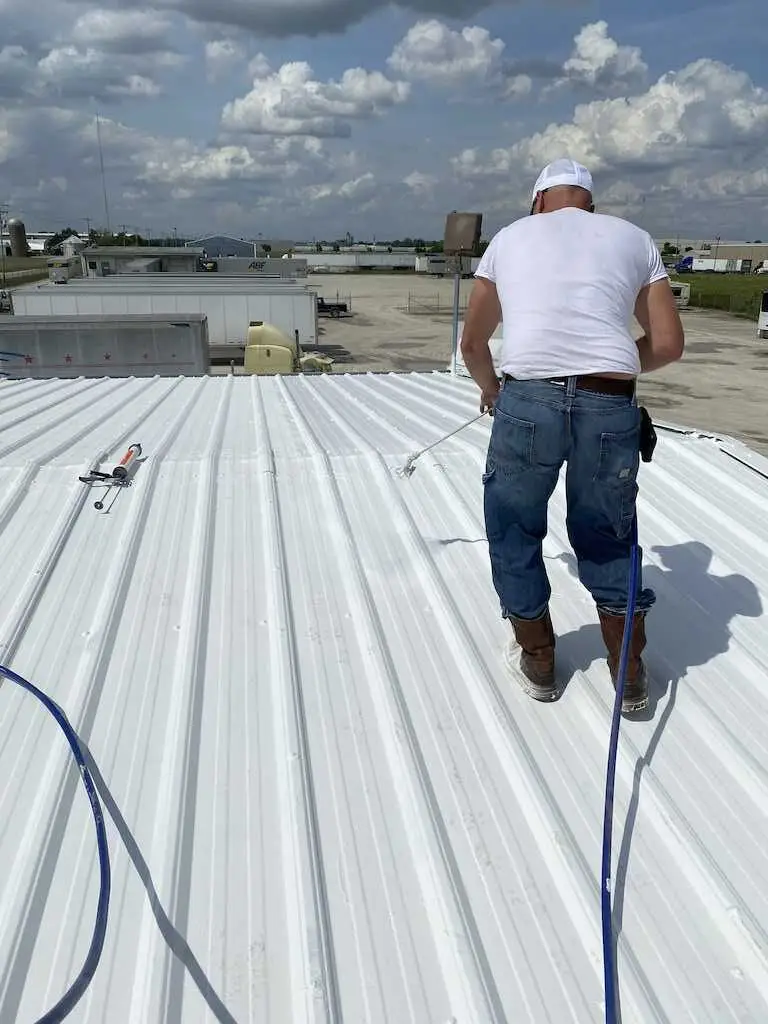
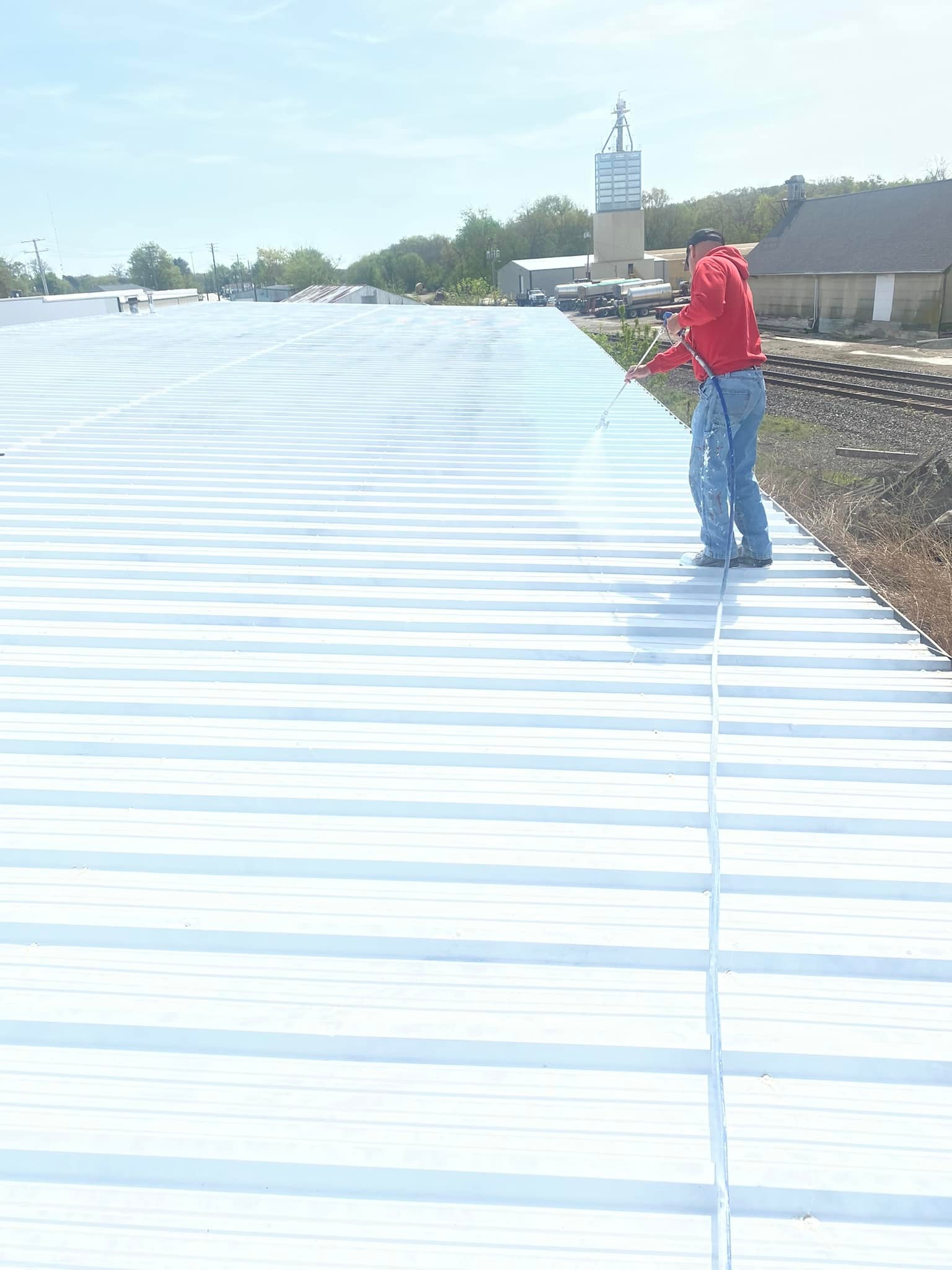
- First Coat Application: Apply a dedicated product like Polycote Roof Tile Paint or Everest PremFlex. Using an airless sprayer (typically at 135 bar with a 15–21 tip) or a long-nap roller, apply an even coat with a standard coverage rate of approximately 4 to 6 m² per liter.
- Second Coat Application: Allow 2 to 4 hours of drying time at 18°C (65°F). Apply the second coat crosswise or at right angles to ensure total, uniform film coverage. The coating is typically rain-safe within 4 hours, though full cure requires about 7 days.
Expected Lifespan, Common Mistakes, and Ongoing Roof Maintenance
When applied correctly over clean, sound substrates, high-performance acrylic roof tile systems have an expected lifespan of 5 to 10 years, with products like Everest PremFlex engineered for a 10-year service life and heavy-duty elastomeric coatings backed by multi-year warranties.
To ensure your coating reaches its full lifespan, steer clear of these common mistakes:
- Using Standard Exterior Masonry Paint: Non-roof masonry paints lack the elastic elongation needed for intense roof temperature swings, leading to early flaking.
- Painting in Unfavorable Conditions: Applying paint in temperatures below 5°C (41°F), in direct midday summer heat, or when rain threatens will compromise resin bonding.
- Skipping Tile Repairs: Paint is a protective film, not a structural adhesive. It cannot fix split tiles or cracked mortar.
- Ignoring Recoat Guidelines: If you are applying over a previously painted surface, ensure the old coating is sound and compatible. Any loose, peeling paint must be stripped before recoating.
Maintaining your painted roof requires simple, routine care. Following a regular homeowner’s guide to basic roof maintenance will keep gutters clear of debris, prevent tree branches from scratching the coating, and catch minor issues early.
If you are located in Beecher City, Effingham, Shelbyville, Altamont, Vandalia, Ramsey, Salem, Hillsboro, or Litchfield, IL, our team at Mid-State Construction & Roofing, Inc. is here to help. Whether you need a comprehensive tile evaluation, leak repair, or a full system overhaul, rely on our industry-leading quality control and visit Mid-State Construction & Roofing, Inc. to schedule your professional roof inspection today.