
How to Budget for Roofing Installation
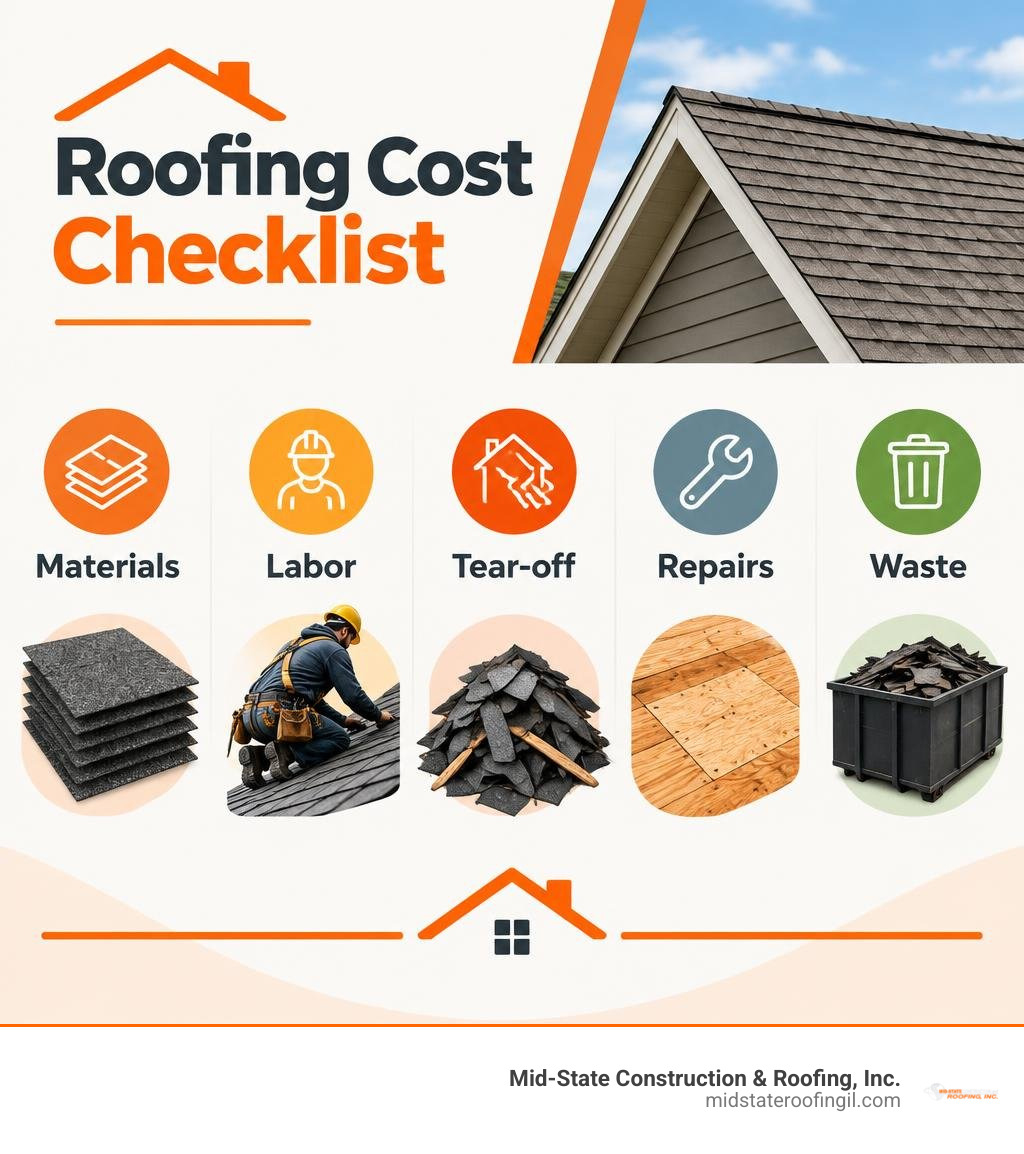
For roofing installation, start by measuring the roof area, choosing a material, and getting an itemized estimate that includes tear-off, disposal, underlayment, flashing, ventilation, and any deck repairs. In 2026, architectural asphalt shingles often cost about $5-$8 per square foot installed, while metal roofing can cost about $10-$18 per square foot. These are broad planning ranges, not quotes for a roof in central Illinois.
Add 10%-15% to your material estimate for cuts and waste. Then compare written bids for the same scope. A lower price may leave out work that is needed to keep the roof sound.
I’m Virgil Strauch. My background in planning, operations, and project oversight shapes how I explain roofing installation costs and the questions to ask before work begins.
Key Factors That Determine Complete Roofing Installation Costs
When budgeting for a project across Central Illinois—from Effingham and Altamont to Vandalia and Shelbyville—the bottom line involves much more than simply nailing down shingles. Every roof features a unique combination of pitch, accessibility, and structural requirements that dictate the labor and materials needed.
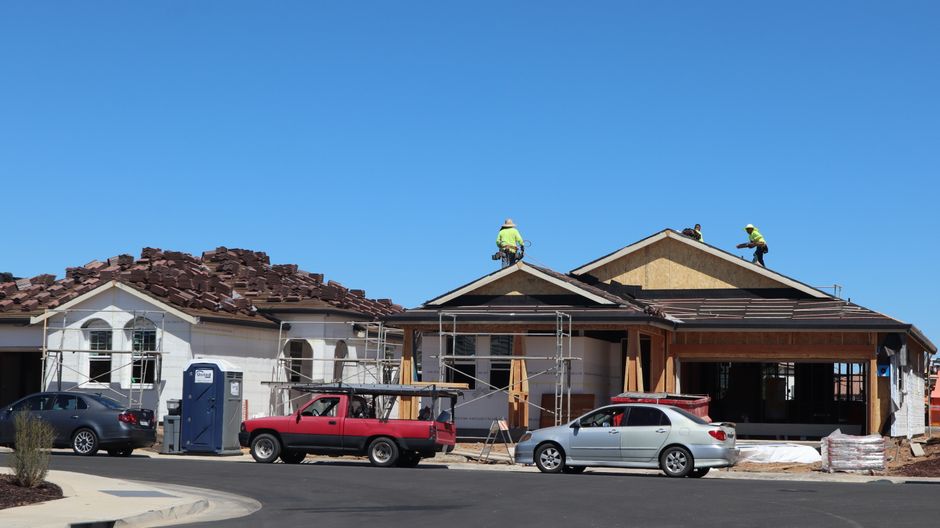
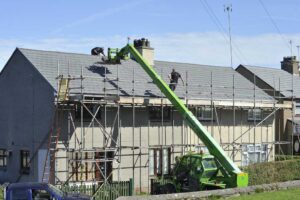
Steep roofs with complex pitch profiles, dormers, and multiple valleys require specialized safety harnesses, staging, and extra installation time compared to a simple gable roof. Labor costs also depend heavily on the tear-off process. Under the International Residential Code (specifically IRC R908.3.1.1), roofs with two or more existing layers of roofing cannot simply take on another layer; they require a complete tear-off down to the structural sheathing. Removing multiple old layers increases disposal fees, dump truck staging needs, and crew hours.
Local building permits ensure that wind-uplift and local structural codes are strictly met. Knowing what to expect when getting your new roof installed helps you anticipate how tear-off, permitting, and staging fit into the final project invoice.
Material Selection and Labor for Shingle Roofing Installation
Asphalt shingles remain a popular residential option. However, performance and investment levels vary across basic 3-tab shingles, standard architectural shingles, and heavy-duty designer slate profiles. Standard architectural shingles typically come packaged as three bundles per square (100 square feet).
Labor rates for shingle installation reflect the precision required to align courses, drive fasteners flush without cutting into the fiberglass mat, and set starter strips. Finding how to choose the best roofing material for your home involves balancing product longevity with initial labor and material costs.
| Roofing Material | Typical Installed Cost (per Sq. Ft.) | Expected Lifespan | Typical Warranty Coverage |
|---|---|---|---|
| Architectural Asphalt Shingles | $5.00 – $8.00 | 25 – 30 Years | 25–50 Year Limited Material |
| Standing Seam Metal | $10.00 – $18.00 | 40 – 70 Years | 40–50 Year Finish / Lifetime Workmanship |
| Synthetic Slate / Shake Panels | $10.00 – $22.00 | 50+ Years | 50-Year to Lifetime Limited |
Structural Decking, Flashing, and Metal Roofing Installation
Once the old roof is removed, we inspect the roof deck for rot, sagging, or delamination. Replacing compromised plywood or OSB sheathing is vital for creating a solid nailing base.
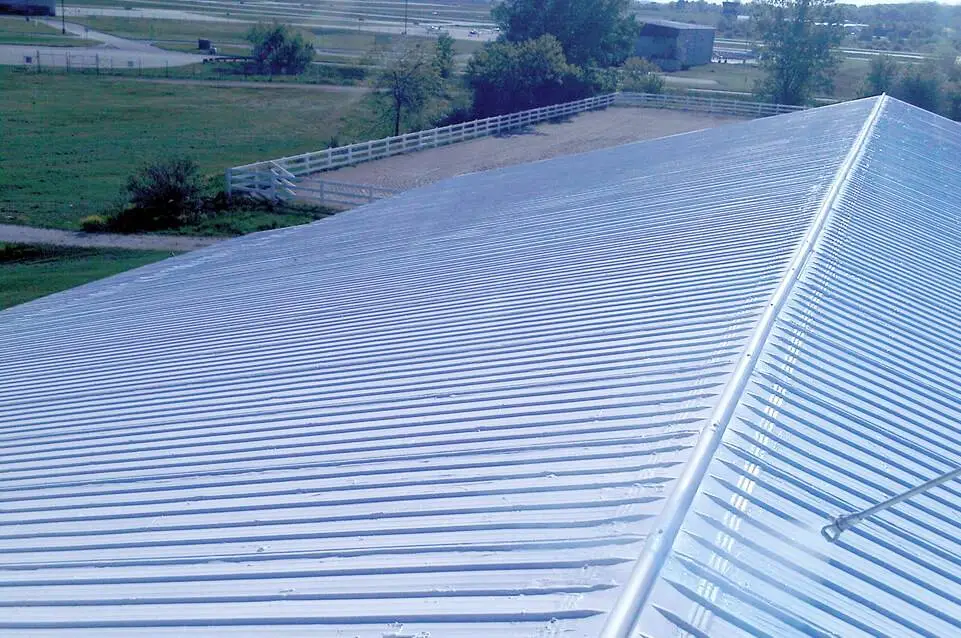
Metal systems offer exceptional durability against extreme Midwestern weather, but their installation demands rigorous technical methods. Understanding whats the typical cost of metal roof installation in illinois requires looking at the system profile:
- Exposed Fastener Panels (Tuff Rib, PBR): Secured with self-drilling hex-head screws driven through the panel into purlins or sheathing. Fasteners must compress neoprene washers just enough to seal without overdriving or creating dimples. They require a minimum slope of 1:12 (with 3:12+ recommended) and purlin spacing between 24 and 36 inches.
- Standing Seam Panels: Utilize concealed clips spaced 12 to 24 inches on center (with increased clip density at eaves and ridges for wind uplift). Snap-lock profiles need at least a 3:12 pitch, while mechanically seamed panels can handle slopes down to 1:12.
Proper metal trim sequences prevent water ingress. Eave trim goes on first, followed by panels, rake edges, and ridge caps. For transitions, mastering step by step drip edge and step flashing installation around sidewalls, chimneys, and valleys protects the deck from intrusive leaks. You can review detailed industry replacement workflows to see how each protective layer is sequenced.
Ventilation, Underlayment, and Code Compliance Expenses
A high-performing roof requires an advanced weather barrier beneath the surface. For premium asphalt and metal applications, self-adhering high-temperature polymer-modified membranes are essential along eaves, valleys, and rakes to prevent leaks caused by ice dams. Breathable synthetic underlayments cover the remainder of the deck.
Attic ventilation prevents moisture accumulation and premature shingle deterioration. Building standards mandate a 1:300 ventilation ratio, which translates to 1 square foot of net free ventilating area for every 300 square feet of attic space, split equally between intake (soffits) and exhaust (ridge vents). For instance, a 1,200-square-foot attic requires at least 4 square feet of total net free area, which means approximately 22 linear feet of standard ridge vent rated at 13 square inches of airflow per foot.
Step-by-Step Budget Planning and Contractor Selection
Budgeting for a major exterior improvement requires clear documentation and disciplined contractor screening. Evaluating quotes based on comprehensive written estimates ensures every aspect—from deck repairs to cleanup—is accounted for. Discovering the amazing benefits of installing a metal roof or an upgraded architectural shingle system comes down to verified installation standards and reliable warranty backing.
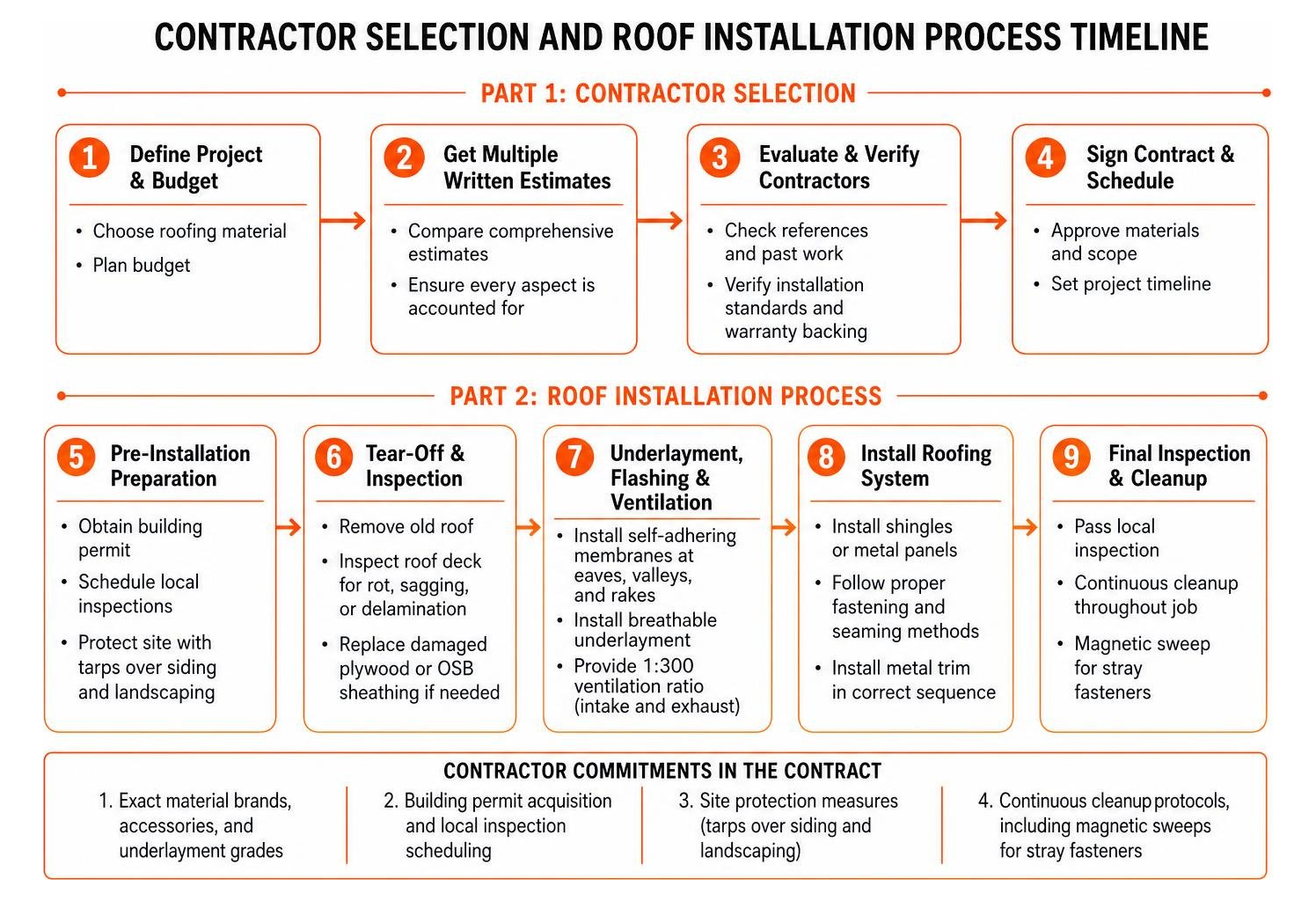
A thorough roofing contract should specify:
- Exact material brands, accessories, and underlayment grades.
- Building permit acquisition and local inspection scheduling.
- Site protection measures (tarps over siding and landscaping).
- Continuous cleanup protocols, including magnetic sweeps for stray fasteners.
- Defined milestone payment schedules tied to delivery and verified completion.
Estimating Waste Factors and Hidden Repair Expenses
When measuring roof dimensions, geometric waste must be factored into material purchasing. Complex hip roofs, valleys, and dormers create off-cuts that cannot always be reused. Adding a 10% to 15% waste allowance ensures crews do not run short on shingles, starter strips, or ridge caps mid-project.
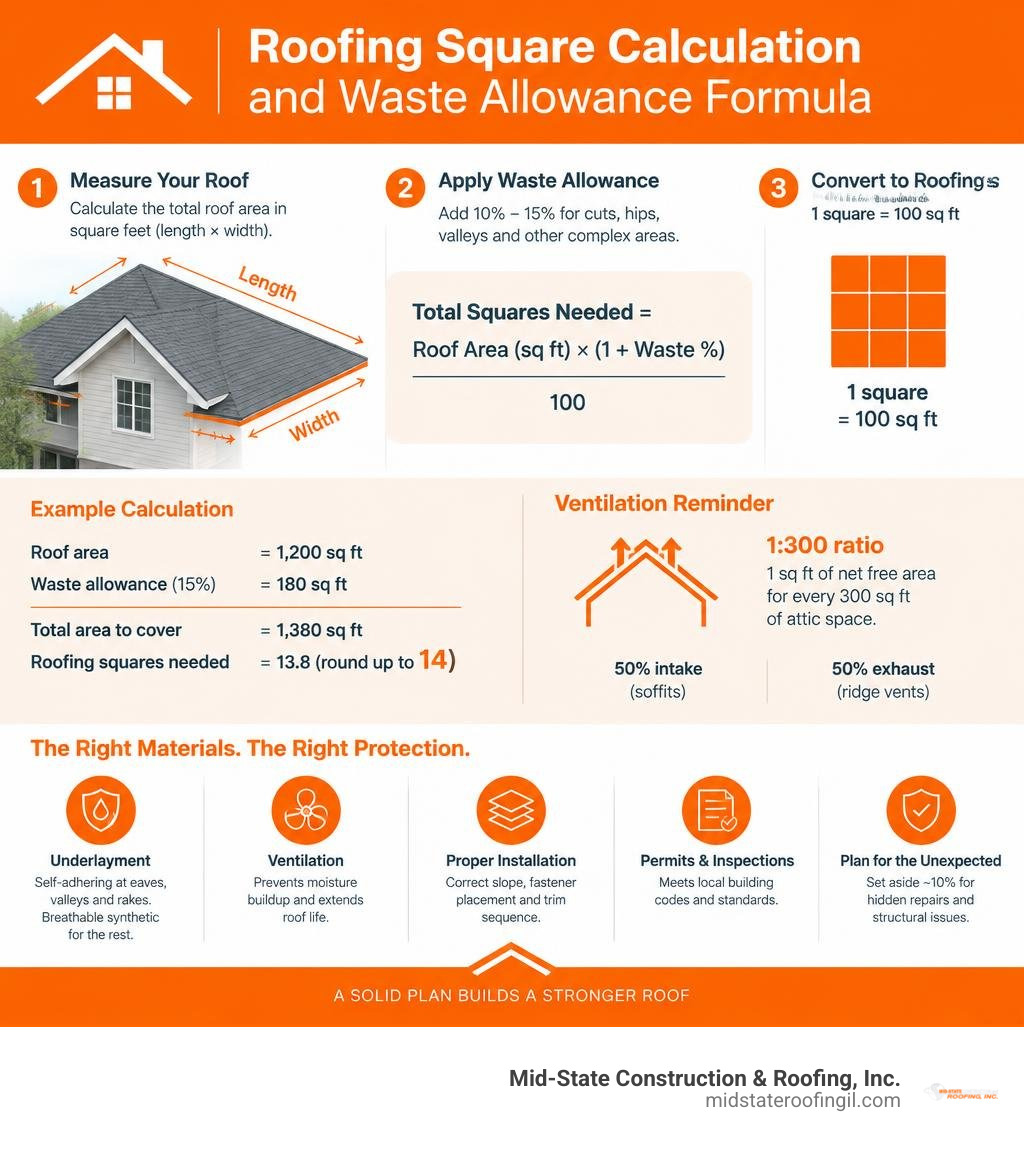
Hidden structural repairs can also impact final costs. If a tear-off reveals water-damaged fascia boards, warped rafters, or rotted plywood, those items must be replaced before underlayment is rolled out. Using a comprehensive new roof budgeting guide will help you set aside a reasonable contingency fund (typically 10% of the total project budget) for unforeseen wood replacement.
Financing, Permitting, and Long-Term Value Protection
Severe storms in the Midwest can bring damaging hail and straight-line winds. Hailstorms cause an estimated $8 to $15 billion in annual property damage across the United States. If your roof replacement is prompted by sudden weather damage, documenting impacts on gutters, flashing, and shingles will help when filing an insurance claim.
For planned replacements, flexible financing choices and home equity lines help balance initial investment with long-term durability. Quality materials backed by certified installation provide lasting energy savings, structural protection, and curb appeal.
At Mid-State Construction & Roofing, Inc., we bring dedicated project supervision, comprehensive quality assurance, and ongoing crew training to residential and commercial projects throughout Beecher City, Effingham, Shelbyville, Altamont, Vandalia, Ramsey, Salem, Hillsboro, and Litchfield. To review your roofing options with our team, schedule a professional roof consultation and let us help you plan a dependable, long-lasting installation.