What Homeowners Should Expect to Pay for a Professional Roof Assessment
Understanding the Roof Inspection Cost Calculator: How Pricing Is Estimated
In 2026, most homeowners should expect to pay between $150 and $400 for a standard residential roof assessment, with a national midpoint of roughly $220 to $250. The final price depends on roof size, pitch, accessibility, and whether advanced diagnostics such as drone imaging or thermal scanning are included. A digital estimating tool helps you move from a rough guess to a realistic financial projection by turning raw property details into a structured estimate. Rather than pulling numbers out of thin air, an estimating engine uses the unit cost method—a standardized construction calculation framework that establishes baseline expenses based on historical data, material metrics, and regional wage indices.
For a homeowner in central Illinois, understanding these underlying calculations takes the mystery out of contractor pricing. As detailed in the NRCIA inspection estimation guidelines, professional cost modeling relies on quantifiable project variables rather than guesswork.
How a Roof Inspection Cost Calculator Works Behind the Scenes
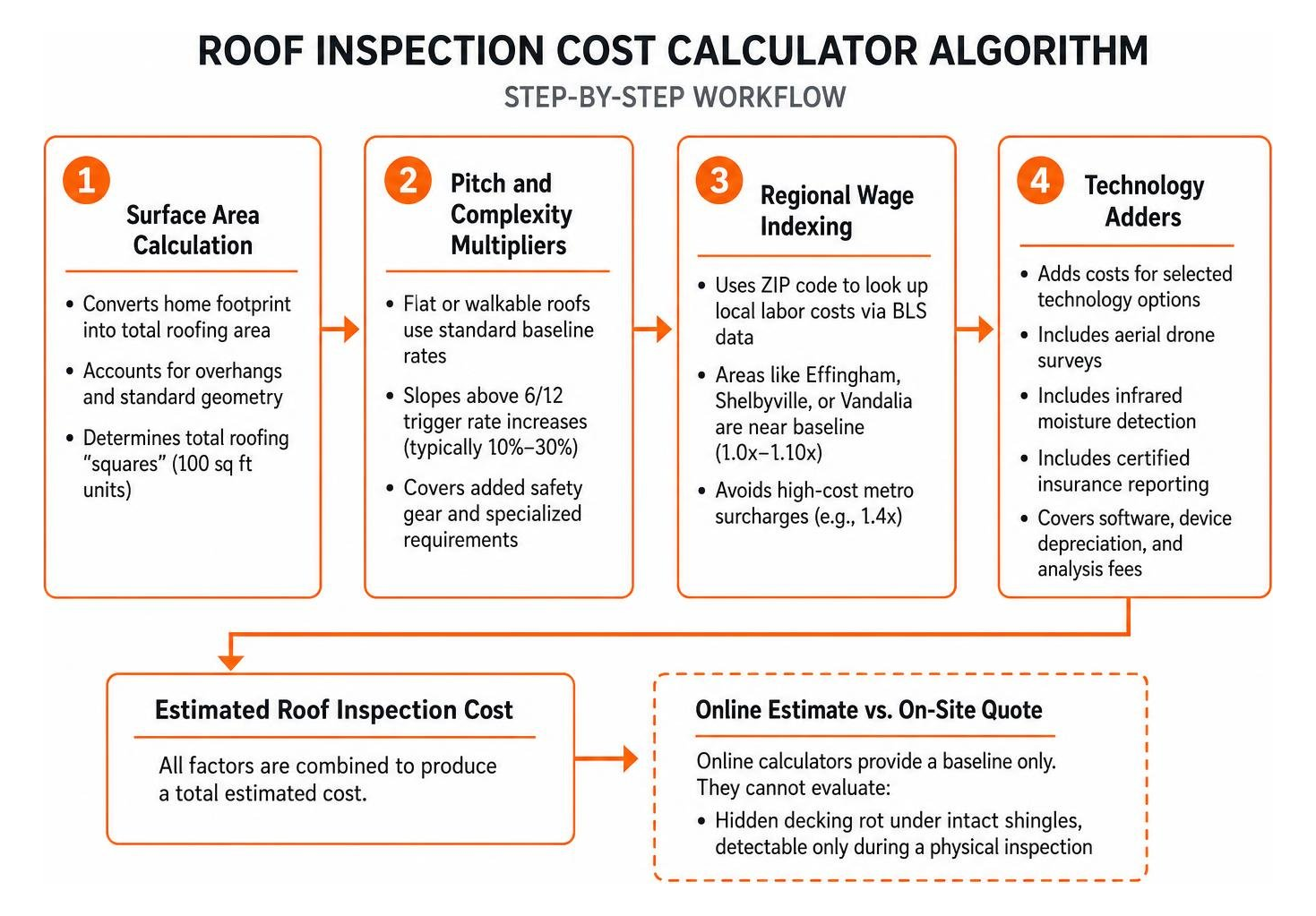
When you enter your details into an online estimator, an algorithmic engine executes several computational steps:
- Surface Area Calculation: The tool converts your home footprint into total roofing area, accounting for overhangs and standard geometry to determine total roofing “squares” (units of 100 square feet).
- Pitch and Complexity Multipliers: Flat or walkable roofs carry standard baseline rates. Slopes above a 6/12 pitch trigger algorithmic rate increases (typically 10% to 30%) because steeper surfaces require specialized footwear, safety ropes, and fall-arrest gear.
- Regional Wage Indexing: The engine cross-references your ZIP code against databases like the U.S. Bureau of Labor Statistics (BLS) to calculate local labor costs. In areas like Effingham, Shelbyville, or Vandalia, labor indices remain close to national baselines (1.0x to 1.10x), avoiding the steep 1.4x surcharges found in high-cost coastal metros.
- Technology Adders: Selecting specialized options—such as aerial drone surveys, infrared moisture detection, or certified insurance reporting—adds fixed software, equipment depreciation, and diagnostic analysis fees.
Accuracy Limits: Online Roof Inspection Cost Calculator vs. On-Site Contractor Quotes
Digital estimators provide an excellent baseline, but they cannot replace a physical examination. An online tool cannot evaluate:
- Hidden Decking Rot: Soft or rotted plywood underneath intact shingles that can only be felt underfoot during a manual walk-through.
- Underlayment Failure: Deteriorated synthetic or felt underlayment beneath tile, slate, or metal panels.
- Attic Microclimates: Poor attic ventilation, trapped heat, or hidden moisture blooms along rafter tails that go unnoticed from the outside.
Evaluating DIY vs professional roof inspections highlights why an online estimate remains a preliminary guide. A physical inspection verifies the actual conditions beneath the surface, ensuring that all necessary repairs are identified before small issues turn into major expenses.
Average Roof Inspection Costs and Assessment Types in 2026
In 2026, standard residential roof inspection costs across the United States range from $150 to $400, with a national midpoint of approximately $220 to $250. Diagnostic methods, structural complexities, and report requirements influence where a project falls within this range.
| Inspection Type | Average Cost (2026) | Typical Duration | Best Use Case | Primary Deliverables |
|---|---|---|---|---|
| Physical Walk-On | $150 – $325 | 45 – 90 mins | Routine maintenance, aging asphalt shingles | Visual check, checklist, basic photo log |
| Aerial Drone Survey | $200 – $450 | 20 – 45 mins | Steep slopes (>8/12), 2–3 story homes, fragile slate/tile | 4K photo sets, high-res aerial maps |
| Thermal Infrared Imaging | $400 – $750 | 60 – 120 mins | Elusive leaks, flat commercial roofs, post-storm checks | Heat-differential mapping, moisture log |
| Moisture Probe Testing | $350 – $650 | 45 – 90 mins | Low-slope commercial membranes, insulation surveys | Sub-surface moisture percentage logs |
| Comprehensive Diagnostic Bundle | $650 – $1,200 | 2 – 4 hours | Pre-purchase real estate, major storm insurance claims | 15–25 page insurance-grade report |
For complex projects, consulting a technical guide on thermal and drone inspection rates can help clarify why advanced diagnostic tools carry distinct equipment and labor price structures.
Physical Walk-On Inspections
A traditional physical assessment remains the primary method for evaluating walkable residential roofs. The inspector traverses the roof planes to examine:
- Shingle granular loss, bald spots, and UV embrittlement.
- Valley metal condition, sealants, and step flashing around chimneys.
- Pipe boot flexibility and rubber collar cracking.
- Gutter slope, fascia alignment, and drip edge integrity.
Physical walk-on inspections generally cost between $150 and $325, making them the most affordable option for routine checkups.
Drone and Aerial Roof Surveys
When a roof is too steep to walk safely or contains fragile materials like slate, clay tile, or weathered cedar shakes, aerial drone scans provide an effective alternative.
Licensed operators hold FAA Part 107 certifications to fly commercial drones equipped with high-resolution cameras. Drone surveys capture detailed imagery of hips, ridges, and valleys without putting weight on brittle materials or creating safety risks on steep multi-story homes. Standard residential drone surveys typically run between $200 and $450.
Infrared Thermal Imaging and Moisture Probes
Infrared (IR) thermography detects subtle temperature differences across the roof surface. Because trapped moisture retains heat longer than dry insulation, evening thermal scans reveal hidden leaks beneath the outer membrane.
Moisture probes physically test wet zones in low-slope systems to determine whether a localized repair or a full tear-off is necessary. While thermal and probe inspections require specialized equipment and carry costs between $350 and $750, they can save thousands of dollars by identifying hidden structural damage early.
Key Factors Influencing Your Total Roof Assessment Cost
No two roofs are identical. Several structural, environmental, and material factors explain why your final quote may differ from a basic baseline calculation. Understanding the top factors influencing roof costs helps you evaluate where your home fits on the pricing scale.
Structural Characteristics and Accessibility
- Roof Pitch and Slope: Walkable roofs with a low slope (4/12 to 6/12) take less time to inspect. Steeper roofs (8/12, 10/12, or Mansard profiles) require OSHA-mandated fall protection, specialized rope rigging, and safety harnesses, which can increase the labor cost by 20% to 35%.
- Stories and Height: Multi-story homes in communities like Altamont, Hillsboro, or Litchfield require longer setup times, taller ladder positioning, and enhanced tie-off procedures, typically adding 10% to 30% over single-story baselines.
- Roofing Material Fragility: Walking on architectural asphalt shingles is straightforward. In contrast, fragile materials like slate, Spanish barrel tile, or metal standing seam panels require specialized walk-boards, foam pads, or drone imaging to prevent surface damage, adding $50 to $150 in handling overhead.
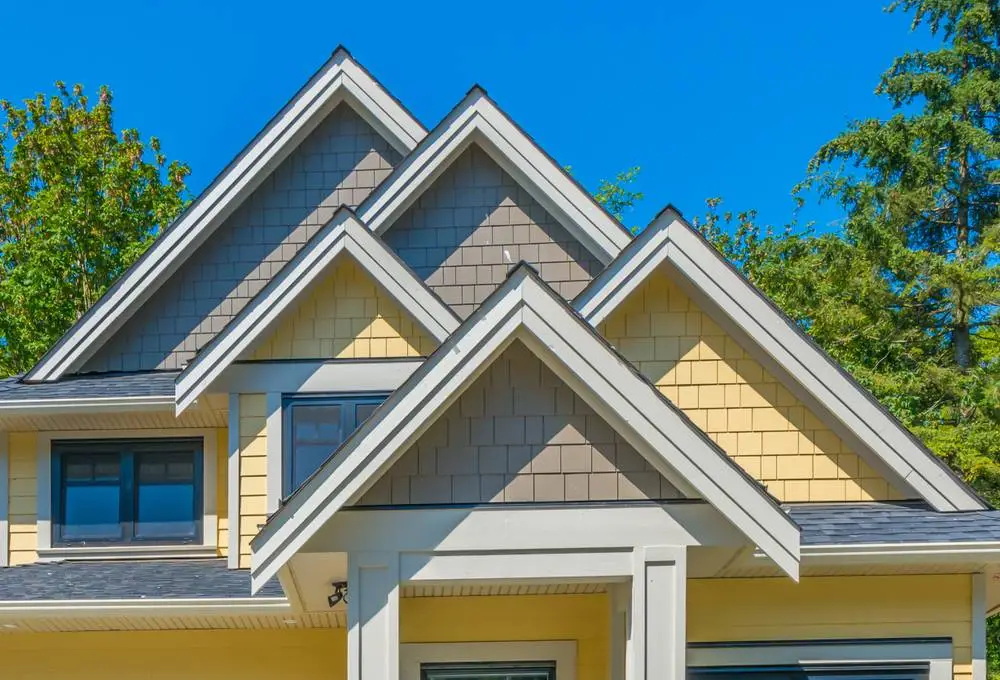
- Architectural Complexity: Multiple dormers, skylights, intersecting valleys, and multi-tier rooflines take longer to examine than simple gable roofs.
Geographic Location and Local Labor Rates
Local labor markets shape pricing across central Illinois:
- Regional Labor Rates: Loaded billing rates in rural and suburban Illinois range from $65 to $95 per hour.
- Travel Surcharges: When properties are located in rural areas outside primary service hubs like Beecher City, Ramsey, or Salem, trip fees of $1 to $2 per mile may apply for travel beyond a 25-mile radius.
- Local Building Codes and Climate Hazards: Central Illinois experiences severe freeze-thaw cycles, high summer humidity, and strong spring storm systems. Inspections in this region focus closely on ice-dam protection, intake ventilation balance, and wind resistance.
Hidden Fees, Report Deliverables, and Free Inspection Realities
When evaluating estimates, look closely at what is included in the base fee versus what requires an extra charge. Regular evaluations remain vital, and understanding the importance of routine roof inspections helps ensure your home stays protected year-round.
Common add-ons and potential hidden fees include:
- Attic Cavity Diagnostics ($50 – $100): Entering the crawl space or attic to inspect decking nails, rafter conditions, insulation R-values, and vapor barriers.
- Certified Written Engineering Reports ($75 – $200): Formal, certified documentation for real estate closings or insurance disputes.
- Emergency Rush Scheduling (+25% surcharge): Same-day or 24-hour storm-damage assessments during peak demand periods.
What Should Be Included in a Certified Inspection Report
A comprehensive assessment report should provide clear documentation rather than vague verbal notes. A professional report includes:
- High-resolution, annotated photographs of all roof planes and flashing points.
- Identification of the roof covering material, estimated age, and expected remaining lifespan.
- An itemized defect list categorizing issues into urgent repairs, preventative maintenance, and long-term considerations.
- Attic and structural decking evaluations, noting any moisture staining, mold indicators, or inadequate ventilation.
- Clear cost estimates for recommended repairs or replacement options.
Catching minor issues early through documented reports is the best way of spotting roof damage early before it leads to interior ceiling stains or framing rot.
The Truth About Free Roof Inspections
You have likely seen advertisements or had door-to-door solicitors offer a “100% Free Roof Inspection.” It helps to understand the difference between an independent paid assessment and a free contractor inspection:
- Independent Paid Inspections: You hire a certified professional who delivers an unbiased written report without selling repair services.
- Contractor-Provided Free Inspections: Legitimate local contractors provide complimentary evaluations when you suspect storm damage or are planning a replacement project. The cost of the inspection is absorbed as part of the initial project estimate.
Reviewing the valid reasons to secure a legitimate free roof inspection helps you choose the right approach for your property.
Frequently Asked Questions About Roof Inspection Costs
How much does a roof inspection cost on average in 2026?
For a standard 2,000-square-foot single-story home with asphalt shingles, expect to pay between $150 and $350 for a thorough visual walk-on inspection. Adding aerial drone photography, thermal diagnostics, or specialized moisture readings typically brings the total between $350 and $700.
Does homeowners insurance cover the cost of a roof inspection?
Standard home insurance policies do not cover routine maintenance inspections. However, if your roof suffers damage from a covered peril—such as a hail storm or high wind event—the insurance company sends an adjuster at no cost to you. If you hire an independent HAAG-certified inspector to document the claim, some insurance carriers will reimburse these inspection fees (typically between $300 and $600) if the report identifies covered damage.
How often should a residential roof be inspected?
We recommend a professional assessment at least once every two years for roofs under 10 years old, and annually for roofs older than a decade. You should also schedule a quick assessment after severe hailstorms or major wind events to check for displaced materials. Learning how to spot roof damage before repairs escalate can prevent unexpected leaks and keep maintenance costs manageable.
Conclusion
An online cost calculator is an excellent tool for setting baseline expectations and preparing your budget. By understanding how factors like roof size, pitch, materials, and regional labor rates influence the numbers, you can review contractor estimates with confidence and avoid unexpected charges.
At Mid-State Construction & Roofing, Inc., our goal is to help homeowners throughout Effingham, Shelbyville, Vandalia, Altamont, and neighboring central Illinois communities protect their homes. With industry-leading training, hands-on quality assurance, and experienced project supervision, our team delivers dependable assessments and durable roofing solutions.
When you need an honest, professional assessment of your roof’s condition, schedule professional roofing services in Illinois with our team today.