
Step-by-Step Guide to Find the Best Roof Coating for Your Home
Understanding Modern Roof Coating Systems
To find the best roof coating for your home, start by assessing your roof slope and drainage, matching your substrate material to the right chemistry, and checking your local climate requirements. For low-slope roofs with positive drainage, water-based acrylics offer a budget-friendly, UV-resistant option. If your roof experiences ponding water or slow drainage, a 100% silicone formulation is the better choice because it withstands standing moisture. For roofs exposed to heavy foot traffic, hail, or mechanical maintenance, polyurethane coatings provide higher impact resistance and tensile strength. Once you have narrowed the chemistry, verify that the product meets the relevant ASTM standard and has the solar reflectance, elongation, and cured film thickness needed for your climate.
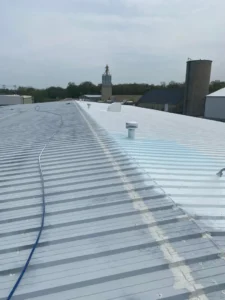
A modern elastomeric roof coating functions as a seamless, fully adhered protective blanket across an existing roof structure. Rather than tearing off aged roofing membranes and hauling tons of debris to local landfills, applying a high-performance fluid membrane seals microscopic fissures, bolsters waterproofing defense, and deflects intense ultraviolet radiation. Under proper conditions, an elastomeric liquid application can extend the serviceable life of an existing roofing assembly by 10 to 20 years at a mere fraction of the cost of total replacement.
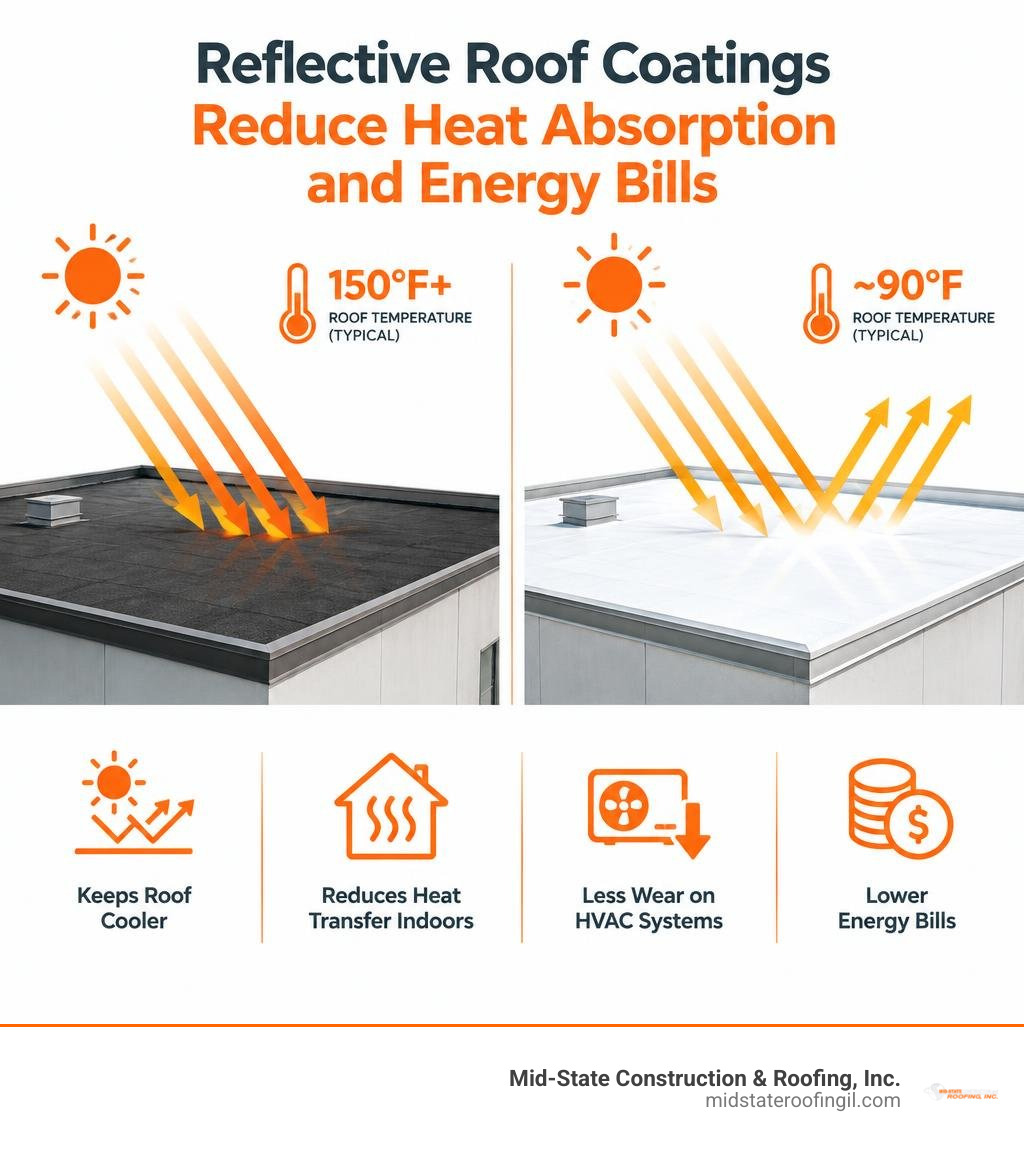
Beyond structural life extension, these reflective membranes act as a powerful thermal barrier. Solar radiation normally bakes low-slope roofs, driving surface temperatures up to 150°F or higher during peak summer heat. A brilliant white protective membrane can deflect direct sunlight and reduce rooftop temperatures by 50°F to 60°F. This drastic temperature reduction reduces indoor heat transfer, decreases wear on heating and cooling systems, and yields noticeable utility bill savings.
Core Types of Elastomeric Roof Coating Formulations
Selecting the correct chemistry determines how well your membrane will hold up against standing moisture, extreme freeze-thaw cycles, and relentless sun exposure. The market relies primarily on three core formulations:
- Acrylic Coatings: Water-based acrylics provide exceptional UV block, outstanding cost-effectiveness, and easy cleanup. Formulated to meet ASTM D6083 standards, high-grade acrylics defend against sun degradation while remaining flexible. For property owners weighing maintenance budgets, our acrylic roof coating in Effingham, IL provides a dependable barrier for low-slope roofs with positive drainage.
- Silicone Resins: 100% silicone formulations, governed by ASTM D6694, excel in harsh environments prone to slow drainage and ponding water. Unlike acrylics, silicone does not break down under standing moisture. Products such as Rust-Oleum 995 Silicone Roof Coating feature up to 95.5% solids by volume and 87% solar reflectivity, curing via ambient moisture to form a durable rubberized shield. For structures prone to water accumulation, our team utilizes silicone coating roof repair in Shelbyville, IL to halt recurring leaks.
- Polyurethane Coatings: Polyurethanes (meeting ASTM D6947) offer high impact resistance, tensile strength, and foot-traffic tolerance. Typically applied as a two-part system—an aromatic base coat for mechanical adhesion and strength, topped by an aliphatic topcoat for UV stability—polyurethane is well suited for roofs exposed to heavy hail or mechanical maintenance. It also pairs cleanly with spray polyurethane foam roofing systems to lock in thermal insulation.
| Chemistry | ASTM Standard | UV Resistance | Ponding Water Tolerance | Elongation | Relative Cost |
|---|---|---|---|---|---|
| Acrylic | ASTM D6083 | Excellent | Low (Requires Positive Slope) | 150% – 300% | Budget-Friendly |
| Silicone | ASTM D6694 | Superior | Excellent (Withstands Ponding) | 150% – 400% | Mid to High |
| Polyurethane | ASTM D6947 | Very Good (Aliphatic) | High | 200% – 500% | Premium |
Key Performance Metrics and Energy Efficiency Standards
When evaluating technical data sheets, look past the brand name and examine key physical performance ratings:
- Solar Reflectance and Thermal Emittance: Solar reflectance measures how much solar energy bounces away from the surface, while thermal emittance measures how quickly the roof releases absorbed heat. Combined, these create the Solar Reflectance Index (SRI). For example, testing on THERMO-FLEX 1000 Acrylic Roof Coating shows an initial solar reflectance of 0.86 and an SRI of 109, retaining an aged reflectance of 0.76 over time.
- Elongation and Tensile Strength: Building materials expand in afternoon heat and contract during crisp Midwestern nights. Elongation determines how far the film stretches without tearing, while tensile strength measures the force needed to rupture it. A quality system maintains elasticity even when temperatures drop down to -15°F or lower.
- Cool Roof Ratings and Energy Codes: Products evaluated by the Cool Roof Rating Council (CRRC) verify real-world solar performance. Advanced formulations like Cool Roof Coat by NanoTech actively reject solar heat and maintain high performance even when dirty, meeting rigorous energy codes like California Title 24.
Step-by-Step Selection and Preparation Process
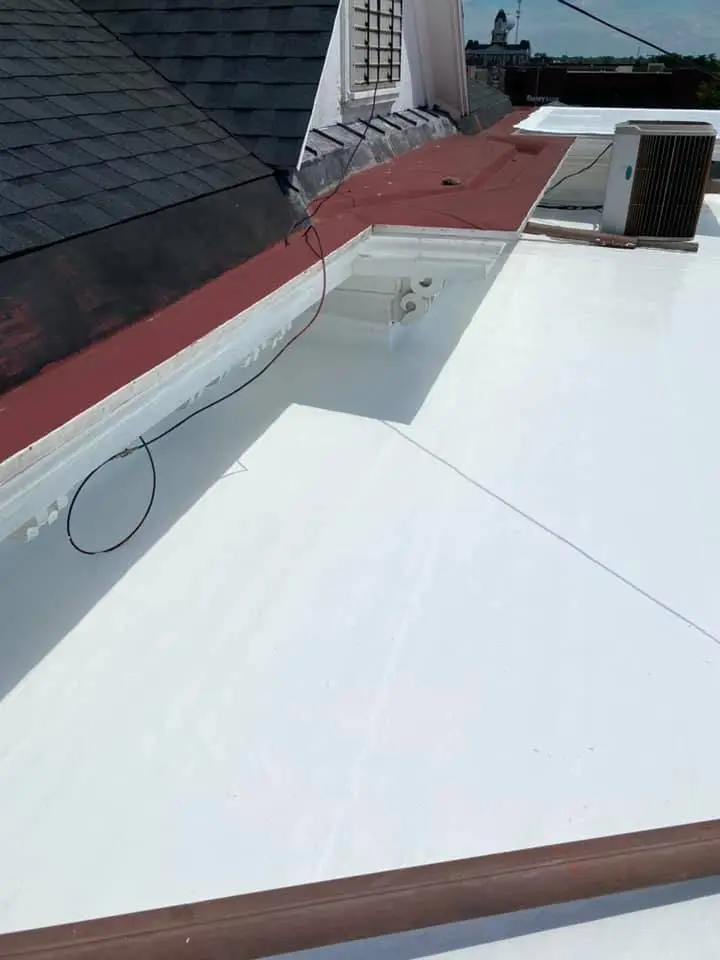
Even the most advanced polymer chemistry will fail if applied over a dirty, damp, or decaying substrate. Preparation makes up roughly 80% of a successful roof restoration project.
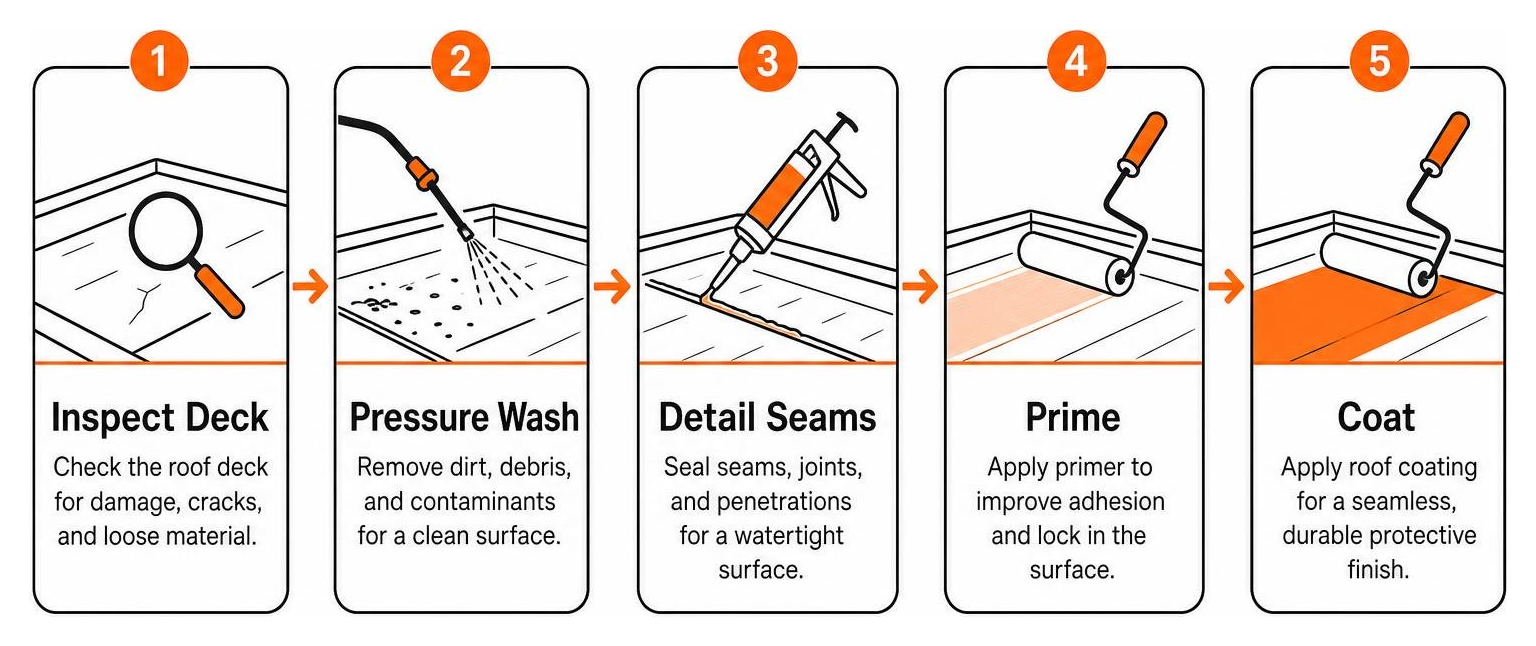
Substrate Compatibility and Surface Preparation Steps
Every roofing substrate presents distinct chemical adhesion characteristics:
- Metal Roofing: Metal panels expand and contract significantly. We treat rust spots, replace loose fasteners, and apply specialized metal coating roof repair systems to encapsulate standing seams and flashings.
- EPDM Rubber Membranes: Single-ply black rubber accumulates carbon black residue over years of sun exposure. An EPDM acrylic roof coating application requires thorough wash-down and dedicated wash-primers to prevent delamination.
- TPO and PVC Membranes: Aged thermoplastic single-ply systems become slick and chalky. They require targeted adhesion primers to ensure the topcoat bonds securely to the membrane.
- Asphalt Built-Up (BUR) and Modified Bitumen: Heavy asphalt systems require bleed-blocking primers to stop dark oils from migrating upward and discoloring the white topcoat. For aged granule surfaces, an aluminum coating over modified bitumen can provide a reliable interim moisture barrier.
Follow these essential surface preparation steps before opening a single bucket:
- Conduct a Thorough Inspection: Identify soft decking, wet insulation, split seams, and failed flashings.
- Wash the Substrate: High-pressure wash the surface (using 2,000 to 3,500 PSI) with non-filming biodegradable cleaners to remove chalk, algae, grease, and loose granules.
- Execute Structural Repairs: Re-secure loose fasteners, patch splits with elastomeric mastic and polyester reinforcement fabric, and replace saturated insulation.
- Address Drainage Issues: Eliminate ponding areas by adding sumps, scuppers, or drains where necessary.
- Apply Required Primers: Use substrate-specific primers to promote adhesion and lock down asphalt oils.
Comparing DIY vs Commercial Roof Coating Solutions
While consumer-grade buckets from big-box retail stores may seem appealing for a quick weekend project, commercial elastomeric coatings offer significant differences in chemical design and longevity.
Retail coatings often contain higher water or solvent ratios, lower volume solids (frequently under 40%), and basic plasticizers that degrade after a few years of UV exposure. In contrast, professional-grade elastomers feature high volume solids (ranging from 60% to over 95%), advanced acrylic or high-purity silicone resins, and robust mildewcides.
Commercial application also relies on specialized high-pressure airless spray rigs (operating at 2,300 to 6,000 PSI) with reversible spray tips (0.027″ to 0.035″). This equipment applies uniform wet film layers without the pinholes, lap marks, or thin spots common to roller applications. Professional installations also come backed by manufacturer labor-and-material warranties, ensuring dependable long-term protection.
Application Guidelines, Longevity, and Professional Results
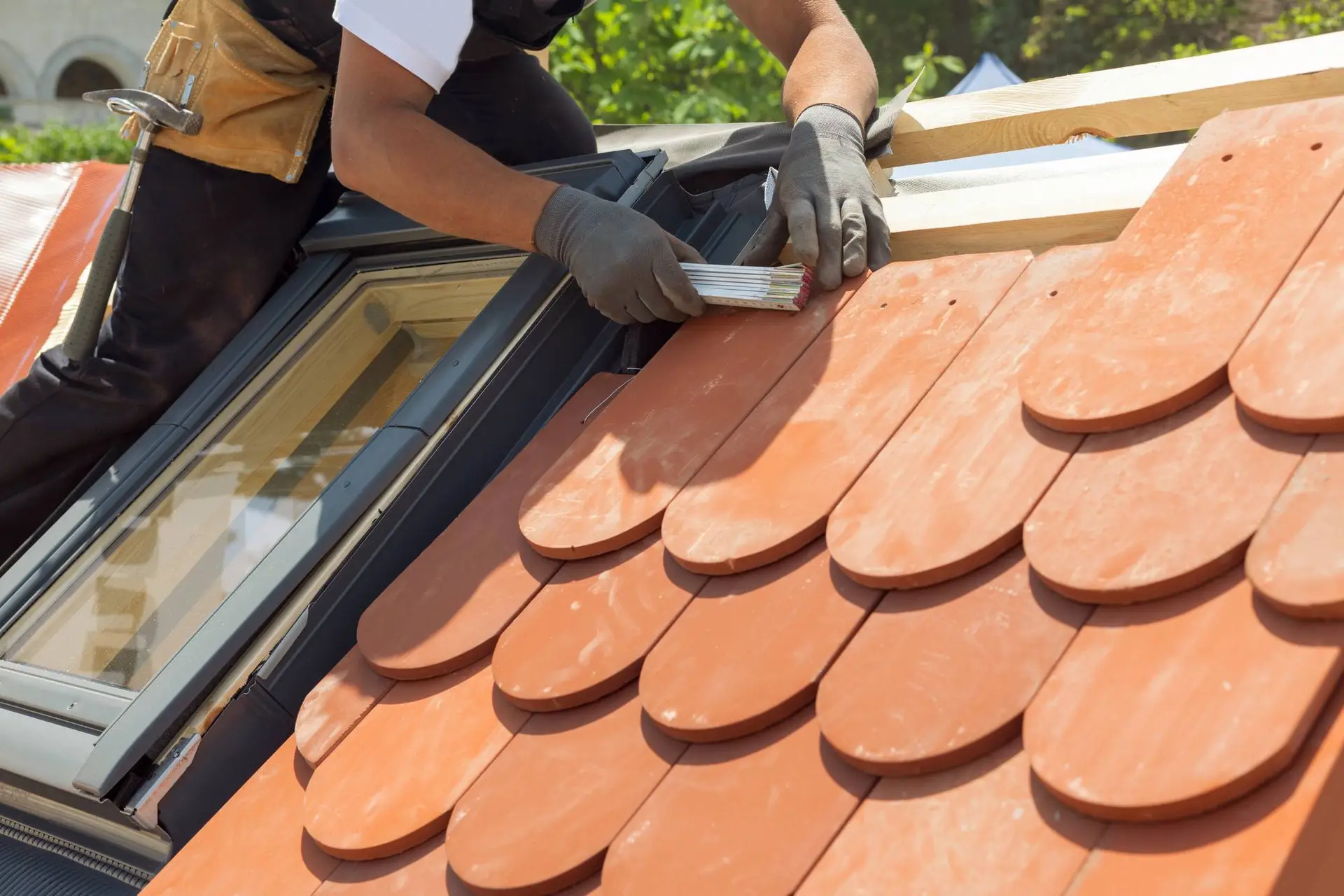
Application requires careful attention to ambient conditions. Liquid coatings must cure under stable weather parameters:
- Temperature Windows: Apply when ambient, material, and surface temperatures remain above 50°F (32°F for select moisture-cure silicones) and rising.
- Humidity and Dew Point: Never apply coatings within 5°F of the dew point or when relative humidity exceeds 85%. Acrylics require dry air for water evaporation, whereas silicone relies on ambient moisture to cure.
- Curing and Recoat Windows: Allow 4 to 24 hours between coats, depending on chemistry and local climate.
At Mid-State Construction & Roofing, Inc., our certified crews maintain strict quality control throughout central Illinois—including Beecher City, Effingham, Shelbyville, Altamont, Vandalia, Ramsey, Salem, Hillsboro, and Litchfield. We monitor film depth during every stage of installation to provide dependable, long-lasting roofing and coating restorations.
Dry Film Thickness, Mil Rates, and Warranty Coverage
Coating longevity is directly tied to the final thickness of the cured material, measured in mils (thousandths of an inch):
- Wet Film Thickness (WFT) vs. Dry Film Thickness (DFT): WFT is the depth of the liquid when sprayed. As carriers evaporate or resin cures, the film shrinks down to its DFT.
- Coverage Ratios: Most commercial specifications require 1.5 to 3.0 gallons per 100 square feet (1 square), delivered in two perpendicular coats (a cross-hatch pattern) to eliminate voids.
- Warranty Standards: System warranties are tied to cured mil thickness. A 20-mil DFT system generally qualifies for a 10-year manufacturer warranty, whereas a heavy 30-mil to 40-mil DFT installation can secure a 15- to 20-year warranty, matching the expected performance of our commercial flat roof restoration systems.
Safety Protocols and Common Application Mistakes
Roof coating projects demand strict adherence to safety standards. Wet coatings create extremely slick surfaces. Applicators should follow OSHA fall-protection guidelines, maintain tied-off harnesses near exposed edges, wear chemical-resistant gloves and safety glasses, and use appropriate respirators during high-pressure spraying.
Avoid these common installation errors:
- Coating Over Trapped Moisture: Sealing water beneath an impermeable membrane causes blistering and deck rot. Always complete moisture scans first.
- Ignoring Ponding Water: Applying standard acrylics to areas with standing water will lead to coating breakdown within two seasons.
- Skipping Primer: Skipping primer on weathered single-ply or bleeding asphalt causes early peeling and membrane delamination.
- Applying a Single Heavy Coat: Applying liquid too thick in one pass leads to surface mud-cracking, improper curing, and pinholing defects. Applying two balanced, perpendicular coats ensures a uniform, watertight finish.