
Install GAF FeltBuster Like a Seasoned Roofing Pro
How to Install GAF FeltBuster the Right Way
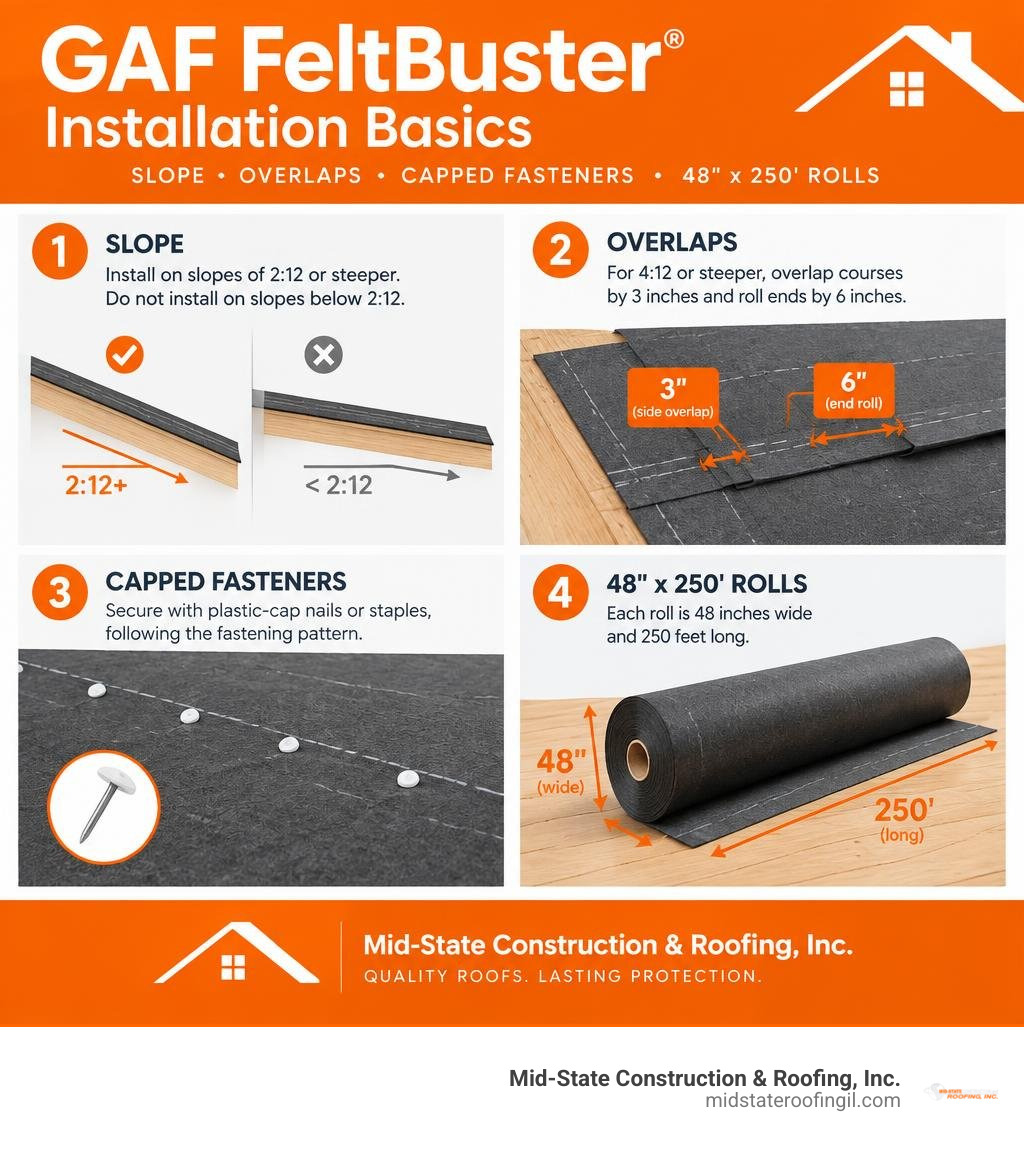
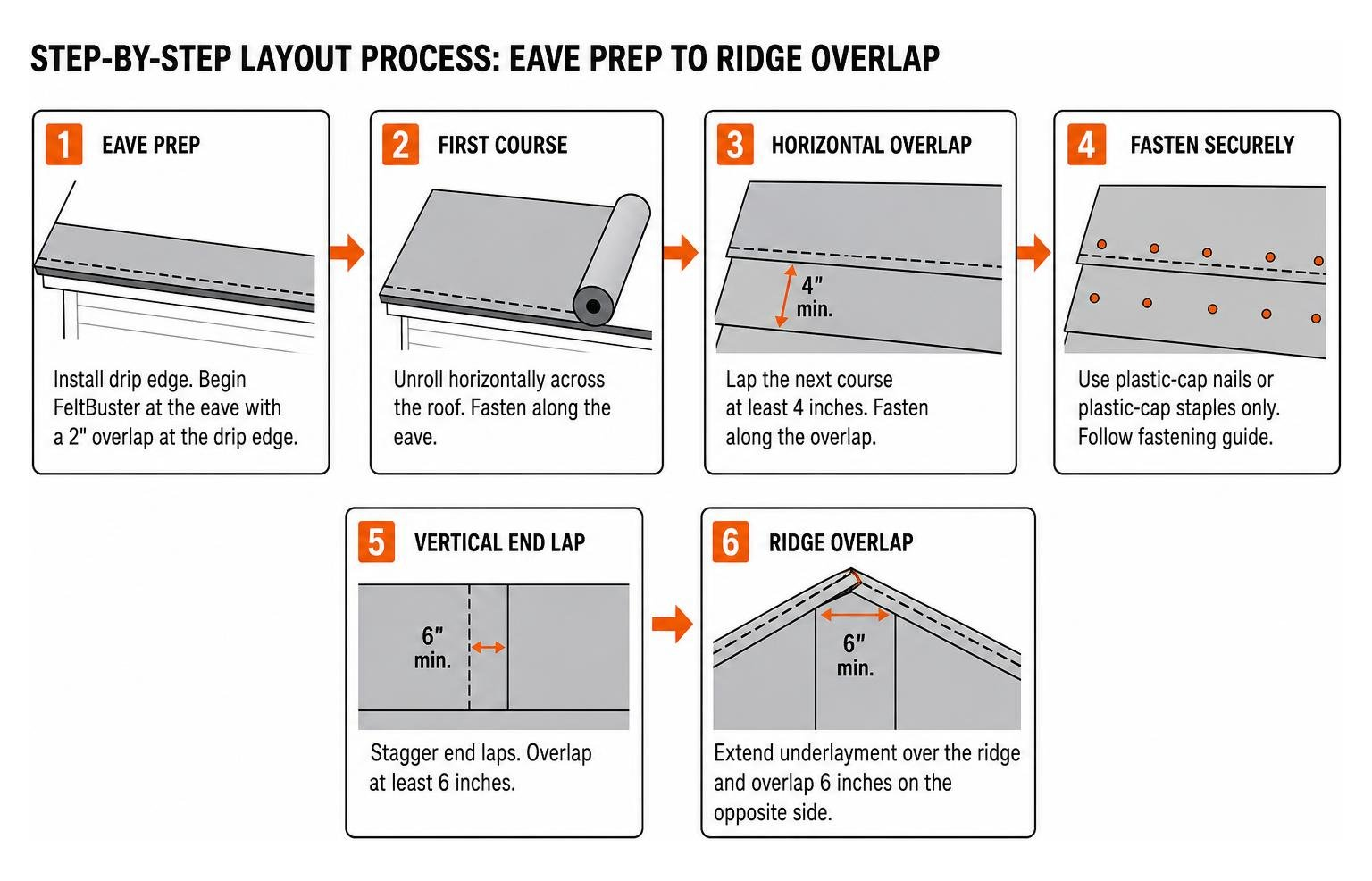
Start with a clean, dry, sound roof deck. Roll FeltBuster parallel to the eaves, working upward so each course sheds water over the one below it. On slopes of 4:12 or steeper, overlap courses by 3 inches and roll ends by 6 inches. Slopes from 2:12 to less than 4:12 need double coverage. Secure the material with plastic-cap nails or staples, following GAF’s fastening pattern. Do not install it on slopes below 2:12.
FeltBuster is lighter and more tear-resistant than traditional asphalt felt, but it is water-resistant, not waterproof. It is not a temporary roof; install the shingles within its 90-day UV exposure limit.
I’m Virgil Strauch, and my background is in project planning and operational oversight. I bring that planning mindset to explaining gaf feltbuster installation, while GAF’s instructions and local code remain the guide for the work.
Know your gaf feltbuster installation terms:
Step-by-Step GAF FeltBuster Installation Guide
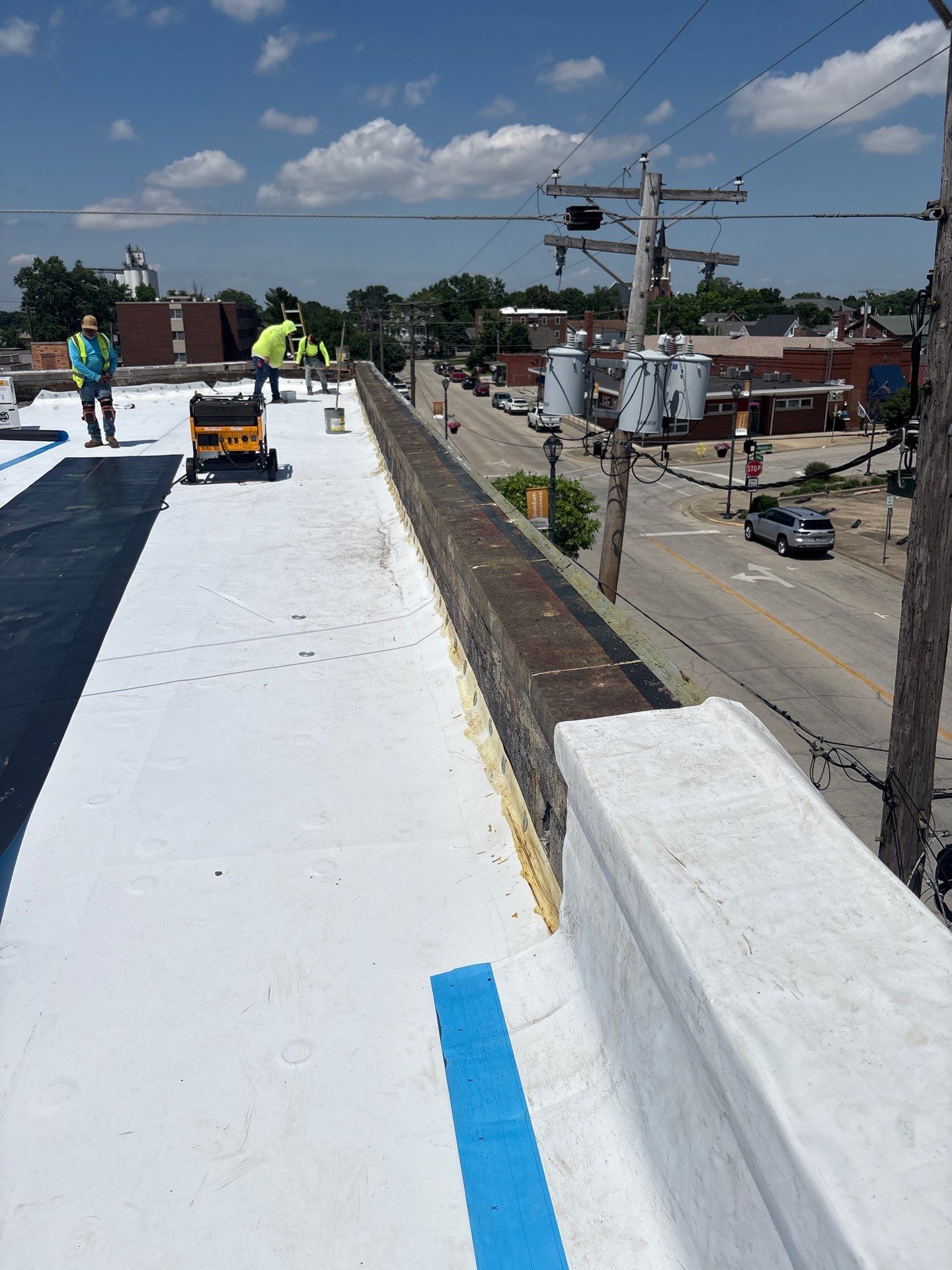
A solid roof system relies heavily on quality materials beneath the shingles. To understand roofing underlayment and why it’s important to the integrity of your home, consider how it acts as a secondary moisture barrier protecting your structural decking against wind-driven rain and blow-offs.
Traditional asphalt felt paper has protected homes for decades, but modern synthetic felts offer noticeable upgrades in durability, weight, and safety. Each 10-square roll of GAF FeltBuster covers 1,000 sq ft, measures 48 inches wide by 250 feet long, and weighs only about 23 pounds. Traditional #30 asphalt felt rolls cover far less area per roll while weighing significantly more.
The medium-gray spunbond polypropylene surface of FeltBuster delivers enhanced traction for roofers and stays up to 30°F cooler than black asphalt felt under direct sun. It also lies flat without stretching or wrinkling, preventing unsightly ridges from telegraphing through your finished shingles.
| Feature / Metric | Traditional Asphalt Felt (#15 / #30) | GAF FeltBuster Synthetic Underlayment |
|---|---|---|
| Material Composition | Asphalt-saturated organic/fiberglass paper | UV-stabilized spunbond polypropylene |
| Roll Weight & Coverage | ~45–50 lbs per 2–4 squares | ~23 lbs per 10 squares (1,000 sq ft) |
| Surface Temperature | Absorbs heat rapidly; hot, black surface | Medium-gray surface stays up to 30°F cooler |
| Tear & Moisture Resistance | Susceptible to tearing, moisture rot, and curling | Tear-resistant, non-absorbing, resists wrinkling |
| UV Exposure Limit | Short exposure risk; degrades quickly | Up to 90 days of UV resistance |
| Fastener Requirements | Standard roofing nails or basic staples | Plastic-cap nails or plastic-cap staples only |
Roof Deck Preparation and Ventilation Precautions
Before rolling out any underlayment, make sure your roof deck is clean, smooth, dry, and structurally sound. Remove protruding nails, sweep away all wood shavings and old roofing debris, and replace rotted sheathing panels (minimum 15/32″ plywood or 7/16″ OSB).
Because FeltBuster retards moisture vapor migration, proper attic ventilation is critical to prevent condensation beneath the deck. Ensure your attic features balanced intake (soffit vents) and exhaust (ridge or gable vents) according to local building codes.
Before rolling FeltBuster along the bottom edge, ensure proper metal edge details are set. Following a correct drip edge and step flashing installation sequence ensures your eaves are sealed correctly before underlayment application, while rake metal installs over the underlayment.
Standard vs. Low-Slope GAF FeltBuster Installation Methods
Slope determines exactly how you lay each course:
- Standard Slopes (4:12 or greater): Apply a starter course along the eaves, printing side up. Overlap subsequent horizontal courses (side laps) by at least 3 inches over the lower course. Overlap vertical roll ends (end laps) by at least 6 inches, staggering end laps between adjacent courses by at least 3 feet.
- Low Slopes (2:12 up to 4:12): Low-pitch roofs require double coverage to defend against water backup. Start by applying a 25.5-inch-wide starter strip along the eaves. Then apply full 48-inch-wide sheets over it, overlapping each preceding sheet by 25.5 inches to maintain a 22.5-inch exposure. For maximum weatherproofing on low slopes, apply butyl-based seam tape over all side and end laps according to the official GAF FeltBuster installation guide.
- Slopes under 2:12: Do not install FeltBuster on roof pitches under 2:12.
Fastener Selection and High-Wind Nailing Patterns
Never use bare roofing nails or uncapped staples; uncapped fasteners can tear synthetic membranes during storms. Only use corrosion-resistant plastic-cap nails or plastic-cap staples with sufficient length to penetrate at least 3/4 inch into the wood deck (or fully through the sheathing).
Fasteners should be driven straight and flush to avoid slicing the plastic caps.
Best Practices, Code Compliance, and Long-Term Care
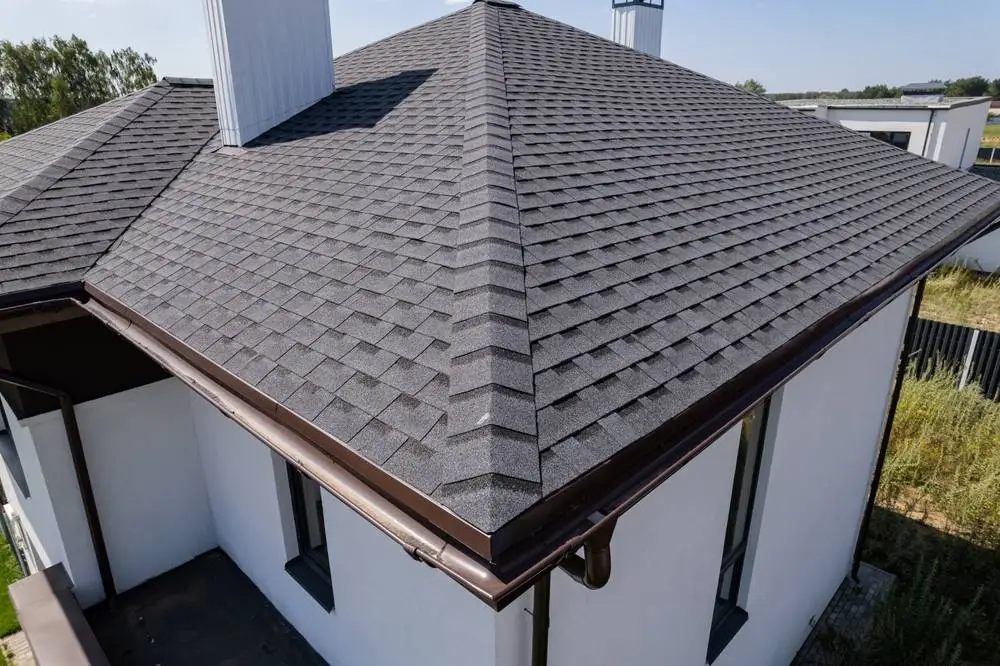
Quality underlayment protects your roof deck throughout shingle replacement. Reviewing essential asphalt shingle roofing details helps you coordinate every layer, from ice barriers to hip caps. If you need professional assistance in Effingham, Shelbyville, Vandalia, or surrounding central Illinois communities, the certified team at Mid-State Construction & Roofing, Inc. ensures strict adherence to manufacturer specifications.
Crucial GAF FeltBuster Installation Rules for UV Limits, Sealing, and Repairs
- Respect the 90-Day UV Window: FeltBuster is UV-stabilized for up to 90 days. Shingles must be installed within this window to prevent material degradation.
- Not a Waterproof Temporary Roof: FeltBuster sheds water effectively during standard re-roofing phases, but it is not a 100% waterproof standalone membrane. Never treat it as a long-term tarp or permanent barrier.
- Repairing Scuffs and Tears: If equipment or foot traffic causes a scuff or puncture, cover the damaged section with an underlayment patch extending at least 6 inches beyond the damaged area on all sides. Secure the patch using plastic-cap fasteners and seal the perimeter with ASTM C557-compliant polyurethane adhesive.
- Flashing Penetrations: Around soil stacks, vents, and chimneys, cut FeltBuster cleanly to fit tightly against the base, and overlap flashing flanges so water drains over the underlayment surface.
Qualifying for GAF Lifetime Warranty Protection
When installed on Lifetime Shingle roofs alongside qualifying GAF accessories (such as WeatherWatch leak barrier, starter strip shingles, and ridge cap shingles), FeltBuster qualifies for GAF Lifetime Limited Warranty protection. Additionally, following enhanced fastener spacing and taped seams helps meet strict FORTIFIED Roof™ wind-driven rain mitigation standards across residential structures.